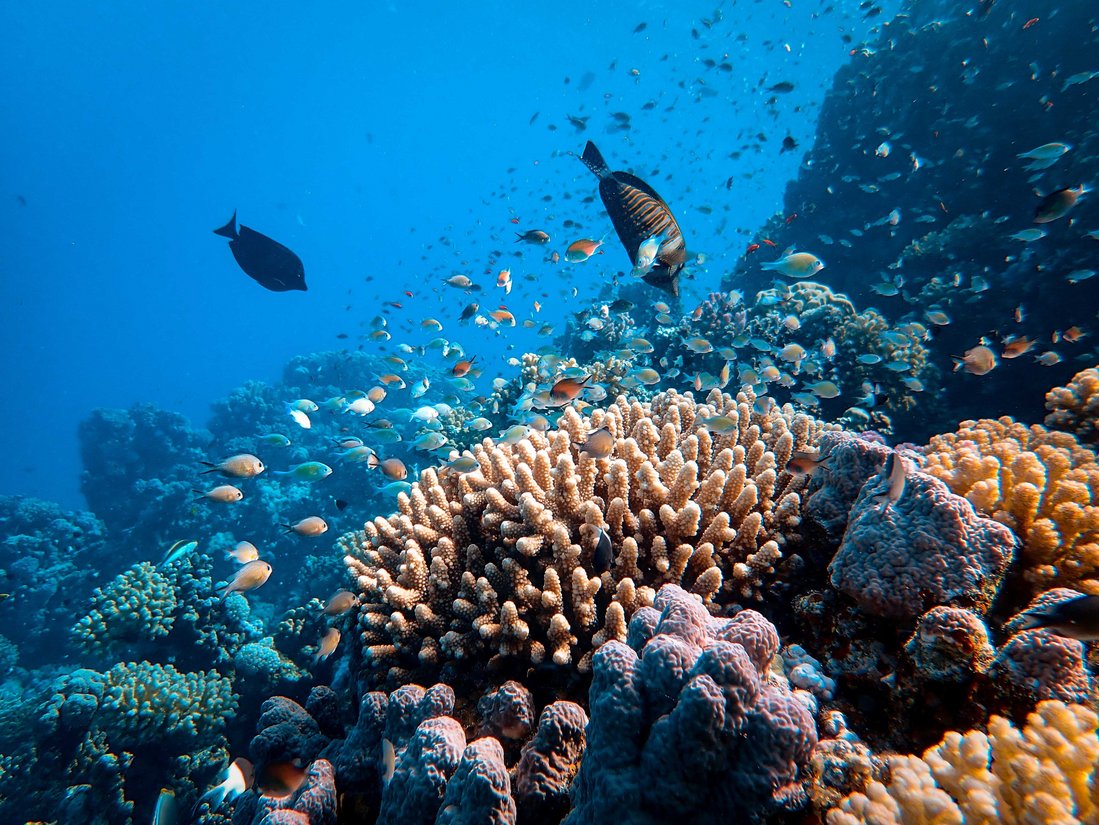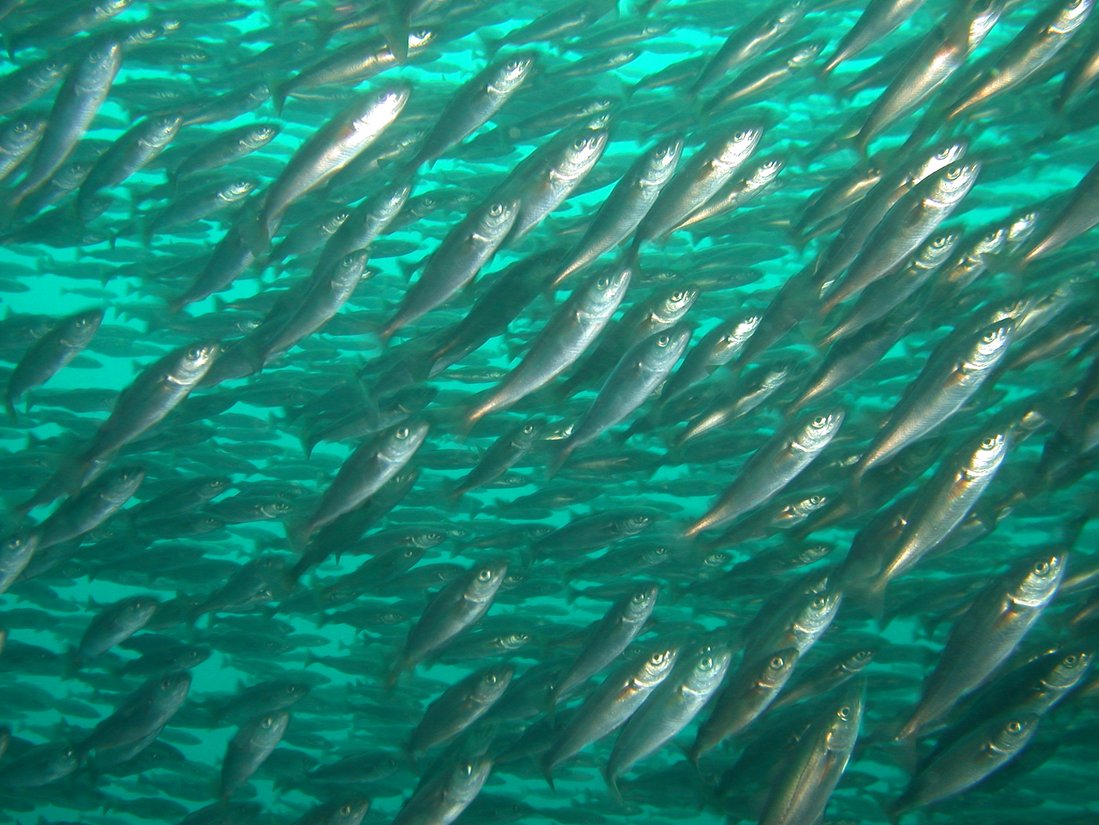

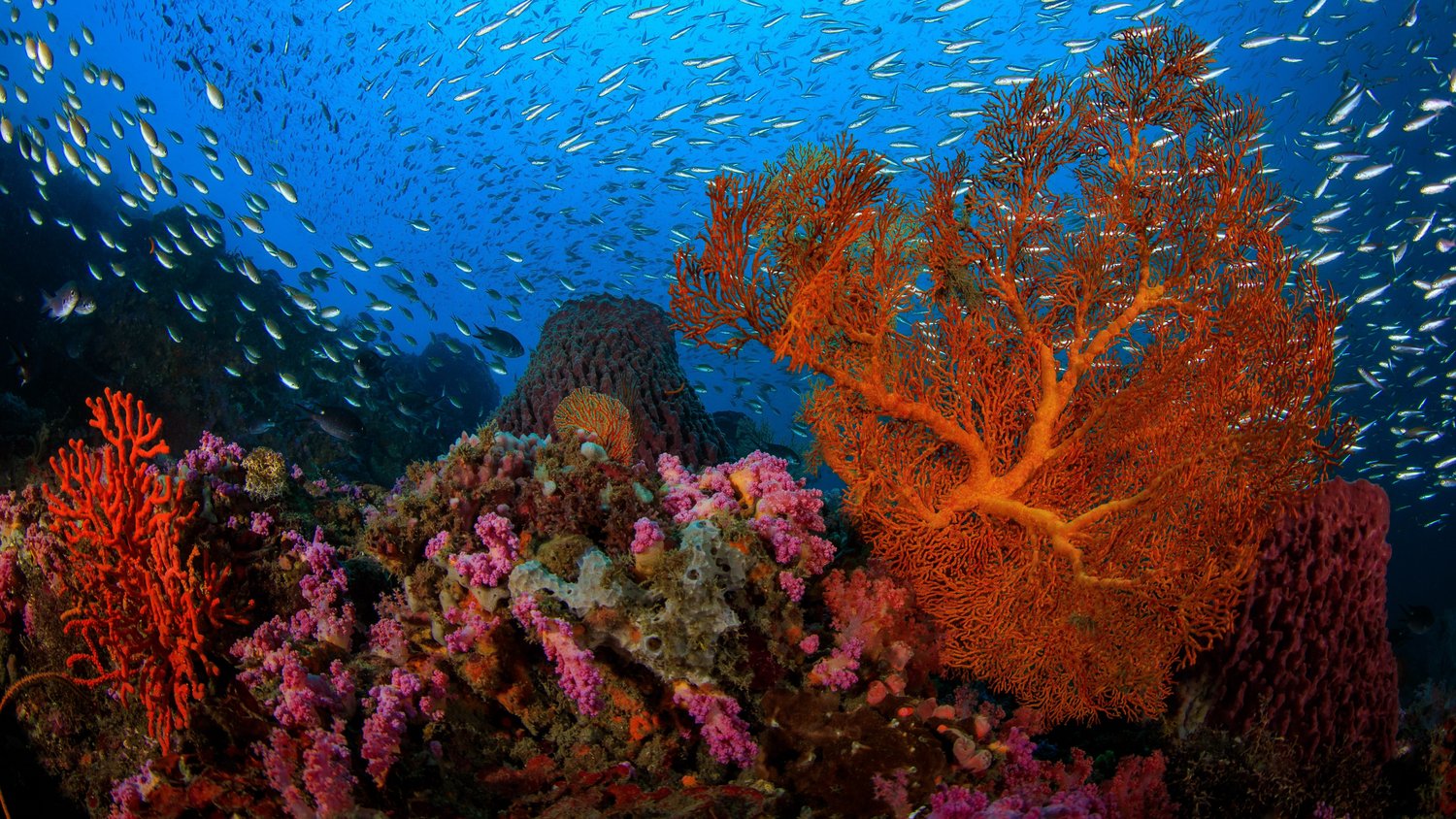
What do the Arctic Bering Sea, the coastal waters of the US state of California and the coral reefs in the Sulu-Sulawesi Sea between Indonesia, Malaysia and the Philippines have in common? All three marine regions are among the 43 recognised marine biodiversity hotspots¹ and are therefore areas of exceptional species diversity.
These regions not only host a strikingly large number of different marine animals and plants, but also species that are sometimes very rare or found only there – in other words, they are endemic. In the Sulu-Sulawesi Sea, for instance, experts have identified over 8,000 distinct marine species within a 50,000-square-kilometre area. A world record!
Such record figures raise questions. Why are these marine areas more species-rich than others? Which environmental factors drive marine life and thus determine which single-celled organisms, animal and plant species occur where and in what numbers?
1. Which species live where in the sea, and why?
Researchers have put forward initial explanations that have already been verified through experiments and measurements for many marine organisms. However, it is not yet clear whether these processes and mechanisms apply to all known groups of organisms.
The geographical distribution of animals in the sea is the most well-understood aspect2. The key factors that determine which species settle where and find sufficient food are numerous. These include, in particular:
- water temperature and the availability of oxygen³;
- primary production, and thus the total food supply in a habitat;
- the depth of the water in a habitat and its distance from the coast and
- the complexity of the marine ecosystem, including aspects such as the structure of the habitat, local current conditions, and interactions between species.
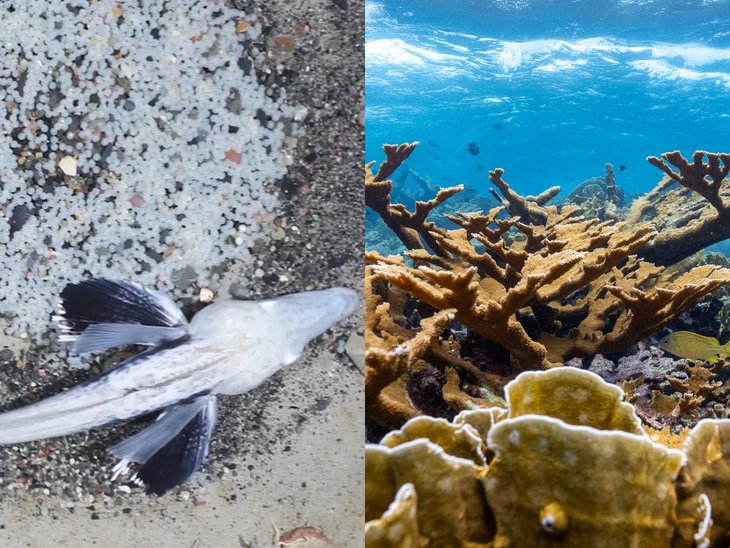
When these factors come together perfectly, species-rich ecosystems develop over time. The waters of the Sulu-Sulawesi Sea in the Indian Ocean, for instance, have remained shallow, temperate and flooded with sunlight for thousands of years. This explains why keystone species such as tropical corals flourish here. In turn, the coral reefs form underwater cities with their calcareous skeletons, providing ideal hiding places and refuges for other marine life. Predator-prey relationships develop. Other species cooperate with one another.
The regular rain showers in the tropics also wash sufficient nutrients from the land into the coastal waters. This provides primary producers such as microalgae and cyanobacteria with perfect conditions for using sunlight to produce biomass and consequently food for many other organisms.
Thanks to the tropical water temperatures and plentiful food supply, the inhabitants of the Sulu–Sulawesi Sea have been able to optimise their energy and metabolic balance over time. This has meant that small populations have grown into large numbers of animals, reducing their risk of extinction. It is an evolutionary success story, but the continued existence of these populations is currently being called into question by the dramatic consequences of climate change.
2. How are species distributed throughout the ocean?
Our understanding of the distribution of marine life has grown significantly in recent years. This information is compiled in international biodiversity databases, such as the Ocean Biogeographic Information System (OBIS) and the World Register of Marine Species (WoRMS). Experts enter reports of species sightings from around the globe into these databases, enabling analyses of species across many regions, time periods and ship-based expeditions.
The distribution of economically important marine species is particularly well understood. Examples include tuna, squid and mussels. In contrast, very limited information exists on many other species. For instance, little is currently known about the distribution of jellyfish and other invertebrates. It is also unclear how many marine species inhabit the deep sea, or indeed what the total number of marine microorganisms is4.
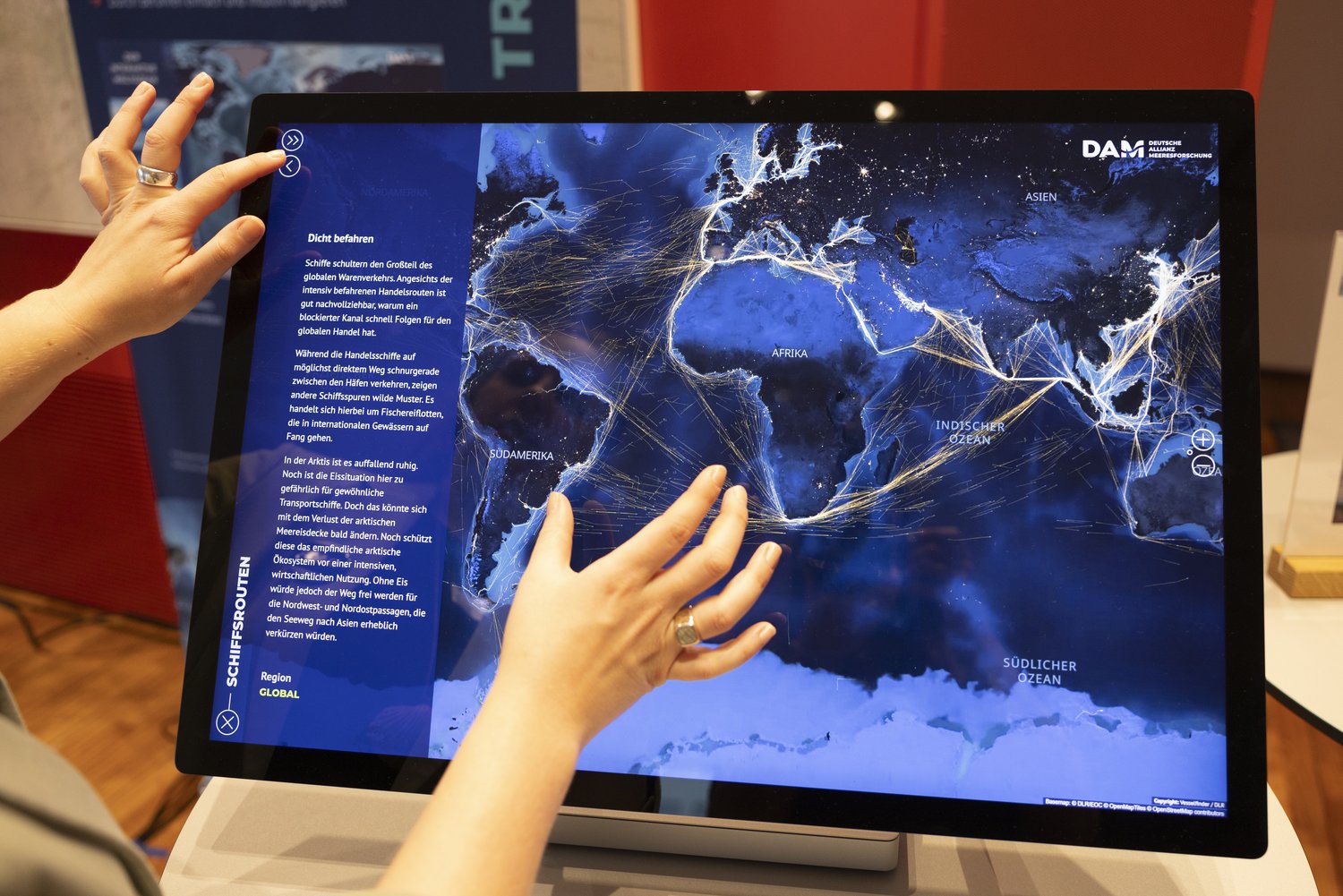
Diving tours to explore biodiversity
If you want to discover just how diverse the habitats and inhabitants of the world's marine regions are, dive into the Interactive World Ocean. This online resource offers videos, photo galleries and fascinating global data visualisations, covering all aspects of the oceans.
Globally, the biodiversity of known marine communities in coastal waters increases towards the equator from the polar seas, reaching record levels in tropical and subtropical coastal areas. However, at the equator itself, climate change has made it too hot for many marine species. In recent decades, these species have migrated north and south in search of cooler waters.
In the Indian and Pacific Oceans, the richness of marine species increases the closer one gets to the islands of Southeast Asia, from both the east and the west. In the Atlantic Ocean, by contrast, the North Sea and the Caribbean stand out as species-rich habitats.
The following pattern is consistent everywhere: as distance from land and water depth increase, algal biomass production and species richness decline at depths of up to 200 metres.
3. Example: Biodiversity in the North Sea
The North Sea is considered to be one of the most biologically productive seas in the world. With an average depth of 90 metres, it is relatively shallow, deepening towards the north. The Norwegian Trench is its deepest point, reaching a depth of 725 metres.
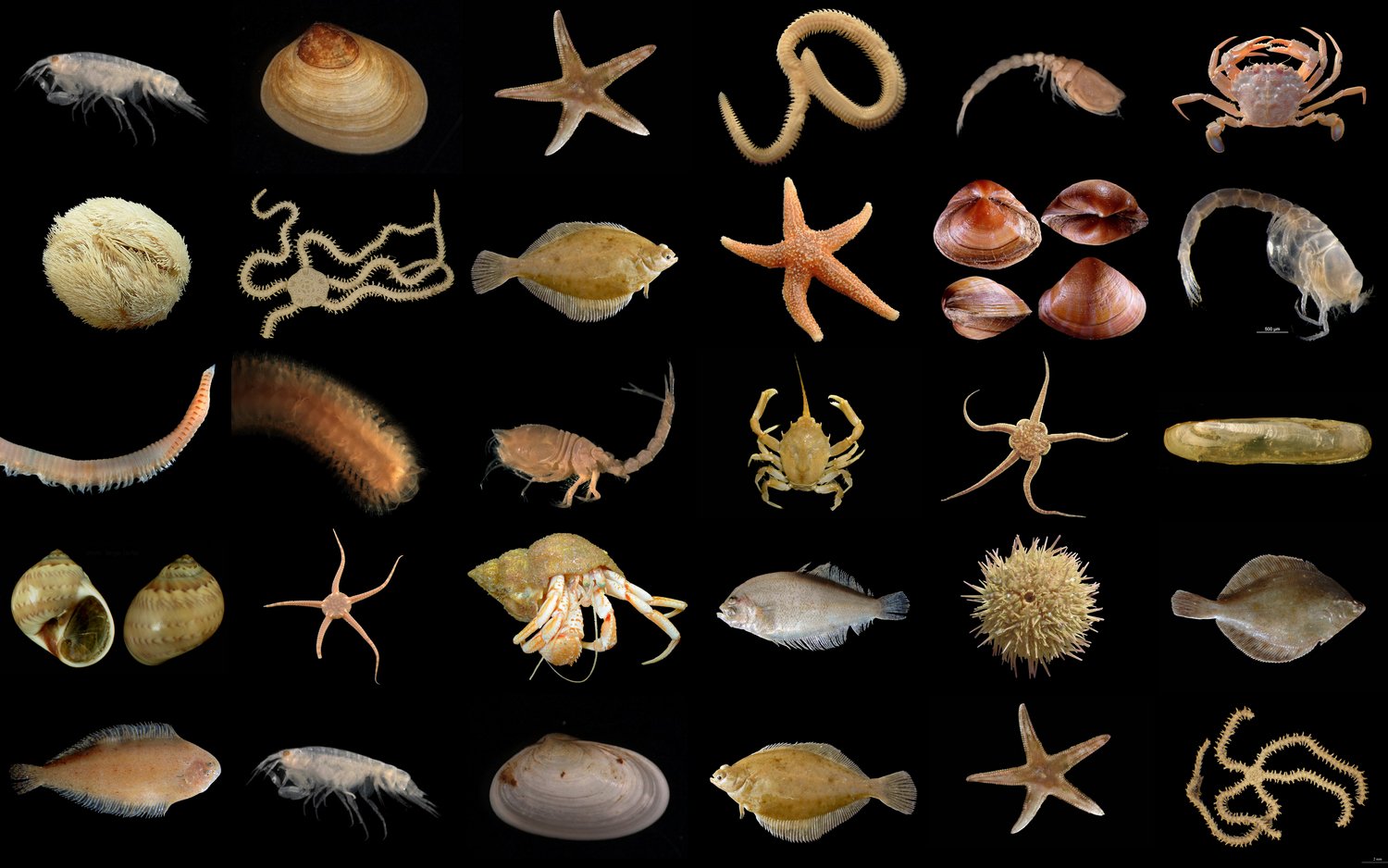
The North Sea is home to a wide variety of habitats5. These include bays, estuaries, fjords, mudflats, sandbanks and rocky seabeds. These habitats support valuable marine ecosystems, including cold-water coral reefs, kelp forests and seagrass beds. Each of these, in turn, is home to a variety of marine life. These range from tiny planktonic algae and snails to mussels, squid, jellyfish, crustaceans and fish, as well as seabirds and marine mammals. For instance, over 210 species of fish6 live in the North Sea, including commercially fished species that spawn in the region, such as cod, Atlantic mackerel and Atlantic herring.
The North Sea coastline provides breeding grounds for around 2.5 million pairs of seabirds from 31 different species, including oystercatchers, common gulls and greylag geese. They all forage for food in the North Sea or along its coastline. The waters are also home to various marine mammals, including minke whales, long-finned pilot whales, porpoises, white-beaked dolphins, Risso's dolphins and grey and harbour seals. Life on the seabed is also diverse, even in areas where the seabed is very muddy and lacks a hard substrate. Recent surveys of soft-bottom areas in the German Bight revealed more than 40 seabed inhabitants, including flatfish, starfish, sea spiders and amphipods.
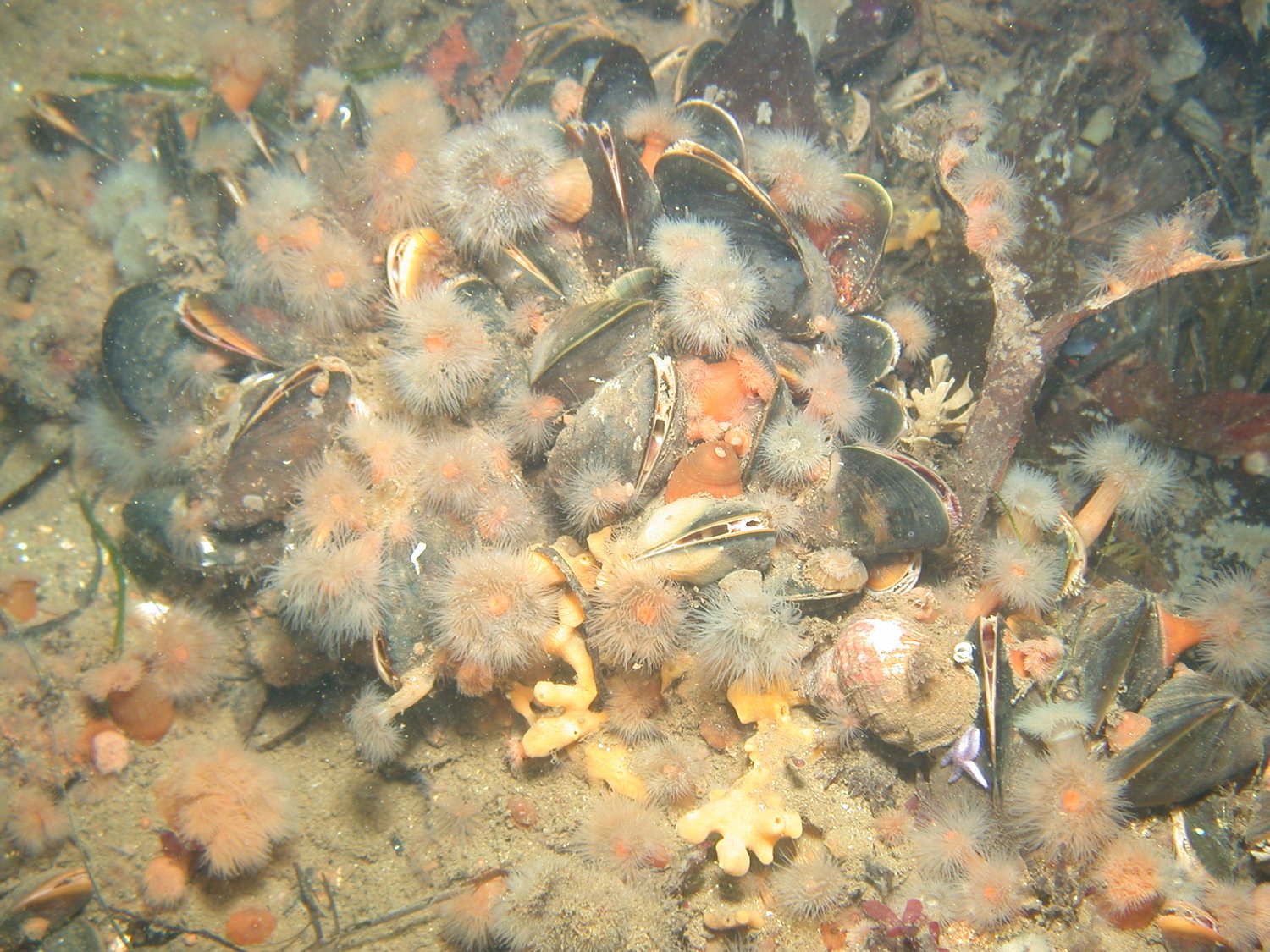
Focus topic: How is the North Sea faring?
Every six years, experts assess the environmental condition of Germany’s marine areas. The 2024 report reveals that the German North Sea and Baltic Sea are in poor health, which may threaten biodiversity. This feature provides an overview of the state of our 'home seas'.
4. How much life is there in the deep sea?
At depths of more than 1,000 metres, the temperature of the water hardly changes at all. Consequently, it has little impact on the biodiversity of deep-sea communities. The primary factor at great depths is the availability of food, which is in short supply in many places. An exception to this are seamounts and continental slopes, where nutrient-rich water frequently rises from the depths. These continuously supply the planktonic algae in the light-filled surface waters with nutrients, enabling them to grow and die off reliably and ensuring that sufficient quantities of biomass sink from the sea surface into the depths.
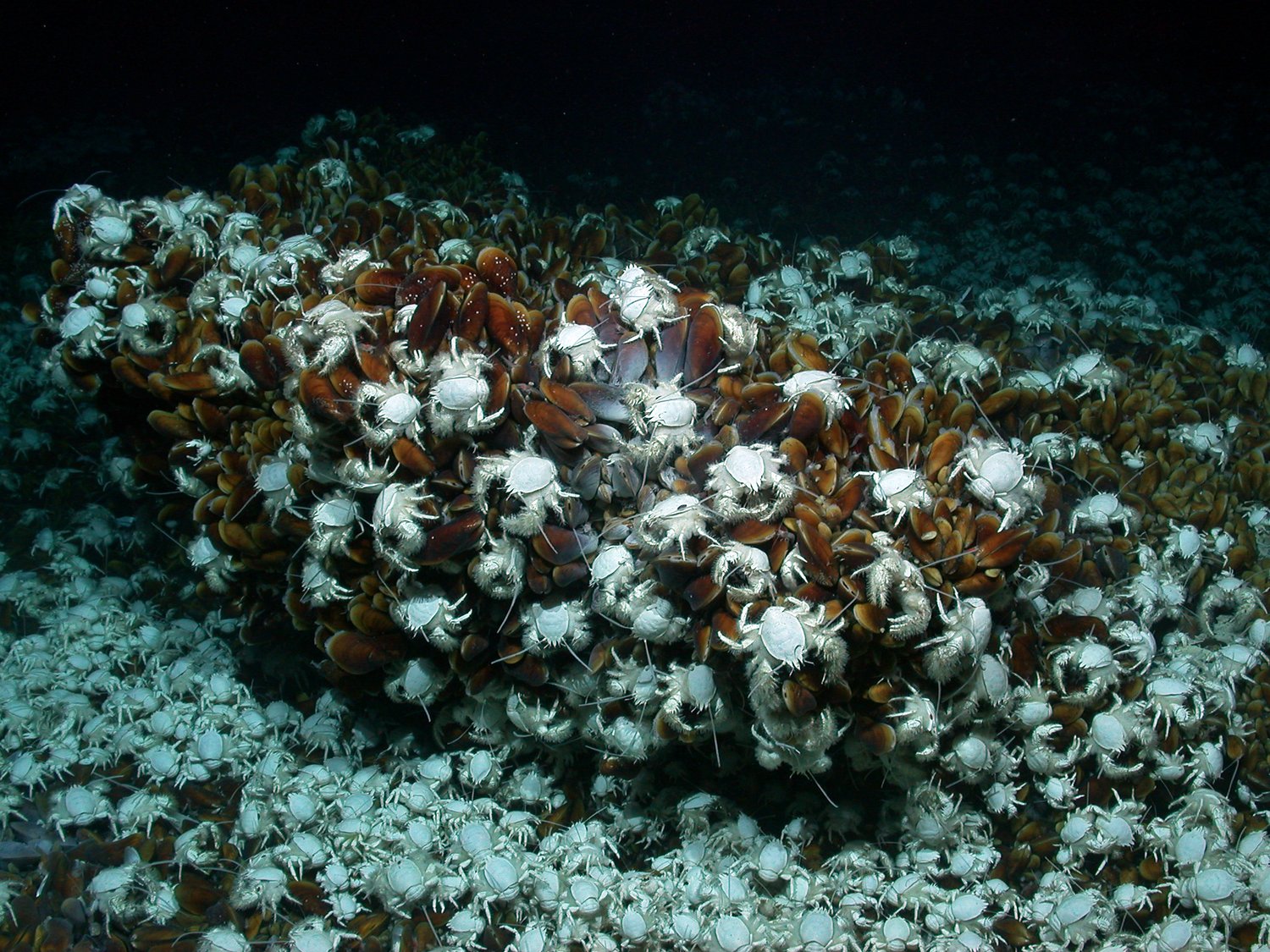
The number of animals decreases as the depth of the sea increases. Nevertheless, the species diversity is enormous. To date, experts have discovered around 29,500 different species7 of animal in waters deeper than 500 metres8. However, there are probably tens of thousands more. Creatures that have made these depths their home include fish, corals, jellyfish, octopuses, worms, sponges, mussels and crabs.9.
Sources:
(1) Costello, M.J., M.M. Vale, W. Kiessling, S. Maharaj, J. Price, and G.H. Talukdar, 2022: Cross-Chapter Paper 1: Biodiversity Hotspots. In: Climate Change 2022: Impacts, Adaptation and Vulnerability. Contribution of Working Group II to the Sixth Assessment Report of the Intergovernmental Panel on Climate Change [H.-O. Pörtner, D.C. Roberts, M. Tignor, E.S. Poloczanska, K. Mintenbeck, A. Alegría, M. Craig, S. Langsdorf, S. Löschke, V. Möller, A. Okem, B. Rama (eds.)]. Cambridge University Press, Cambridge, UK and New York, NY, USA, pp. 2123–2161, doi:10.1017/9781009325844.018.
(2) Gespräch mit Hans-Otto Pörtner, Pörtner, H.-O., et al, 2014: Ocean systems. In: Climate Change 2014; S. 425
(3) Alles von Hans-Otto Pörtner sowie auch Gagné, T.O., G. Reygondeau, C.N. Jenkins, J.O. Sexton, S.J. Bograd, E.L. Hazen, et al. 2020. “Towards a Global Understanding of the Drivers of Marine and Terrestrial Biodiversity.” PLoS ONE 15 (2): e0228065. https://doi.org/10.1371/journal.pone.0228065.
(4) Rogers, A., O. Aburto-Oropeza, et al. 2020. Critical Habitats and Biodiversity: Inventory, Thresholds and Governance. Washington, DC: World Resources Institute. Available online at www.oceanpanel.org/blue-papers/critical-habitats-and-biodiversity-inventory-thresholds-and-governance
(5) Álvarez, H., Perry, A.L., Blanco, J., García, S. & Aguilari, R. 2019. Oceana, Madrid. 20 p.
(6) https://www.fishbase.se/TrophicEco/FishEcoList.php?ve_code=139 List of fish species North Sea - 211
(7) World Register of Deep Sea Species: https://www.marinespecies.org/deepsea/statistics.php
(8) World Register of Deep Sea Species: https://www.marinespecies.org/deepsea/
(9) https://www.oceancare.org/en/stories_and_news/deep-sea-biodiversity/
Further links and literature:
- Costello, M., Chaudhary, C., 2017: Marine Biodiversity, Biogeography, Deep-Sea Gradients, and Conservation, Current Biology, 272051
- Costello, M.J., Tsai, P., Wong, P.S. et al., 2017: Marine biogeographic realms and species endemicity. Nat Commun 8, 1057 (2017). DOI: 10.1038/s41467-017-01121-2
- Costello, M.J., M.M. Vale, W. Kiessling, S. Maharaj, J. Price, and G.H. Talukdar, 2022: Cross-Chapter Paper 1: Biodiversity Hotspots. In: Climate Change 2022: Impacts, Adaptation and Vulnerability. Contribution of Working Group II to the Sixth Assessment Report of the Intergovernmental Panel on Climate Change [H.-O. Pörtner, D.C. Roberts, M. Tignor, E.S. Poloczanska, K. Mintenbeck, A. Alegría, M. Craig, S. Langsdorf, S. Löschke, V. Möller, A. Okem, B. Rama (eds.)]. Cambridge University Press, Cambridge, UK and New York, NY, USA, pp. 2123–2161, doi:10.1017/9781009325844.018.
- Gagné, T.O., G. Reygondeau, C.N. Jenkins, J.O. Sexton, S.J. Bograd, E.L. Hazen, et al. 2020: Towards a Global Understanding of the Drivers of Marine and Terrestrial Biodiversity. PLoS ONE 15 (2): e0228065. doi.org/10.1371/journal.pone.0228065.
- Kock, K.-H. (2006): Eisfische – Fische ohne Blut? Thünen-Institut, literatur.thuenen.de/digbib_extern/dk040331.pdf
- Rogers, A., O. Aburto-Oropeza, et al. 2020: Critical Habitats and Biodiversity: Inventory, Thresholds and Governance. Washington, DC: World Resources Institute. Available online at www.oceanpanel.org/blue-papers/critical-habitats-and-biodiversity-inventory-thresholds-and-governance.
- Saeedi, H., Costello, M.J., Warren, D. et al. 2019: Latitudinal and bathymetrical species richness patterns in the NW Pacific and adjacent Arctic Ocean. Sci Rep 9, 9303 (2019). DOI: 10.1038/s41598-019-45813-9
- Williams, D.E., Miller, M.W., Bright, A.J., Pausch, R.E. & Valdivia, A. 2017: Thermal stress exposure, bleaching response, and mortality in the threatened coral Acropora palmata. Marine Pollution Bulletin, Volume 124, Issue 1, 2017, DOI: 10.1016/j.marpolbul.2017.07.001.
- World Register of Deep Sea Species: https://www.marinespecies.org/deepsea/