
The United Nations has declared the current decade the Decade of Ecosystem Restoration, because never before has it been more urgent to strengthen nature and restore damaged ecosystems on land and in the ocean. However, this global environmental campaign is not only focused on “repairing damaged or destroyed ecosystems”. It also calls for the effective protection of intact forests, coastal and marine areas.
The fact is: Healthy ecosystems not only support greater biodiversity but also provide more and better benefits for both people and nature. They absorb more carbon dioxide from the atmosphere, store the captured carbon in their biomass or underground, and thus help mitigate climate change.
How can ecosystems recover?
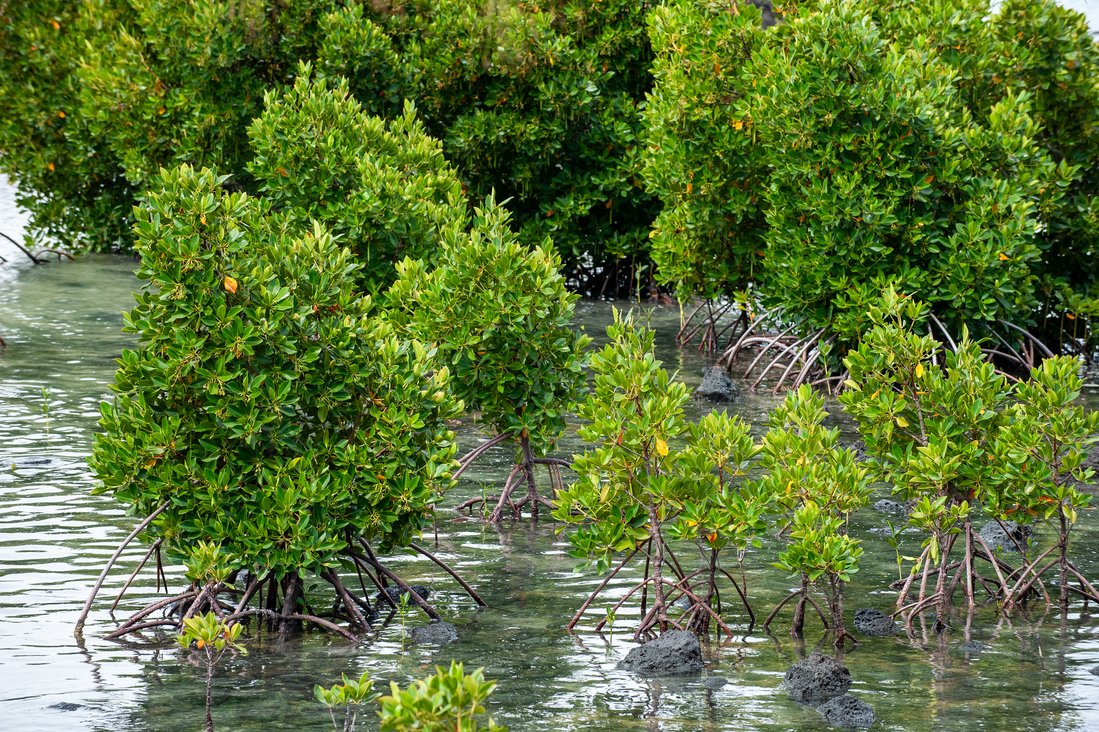
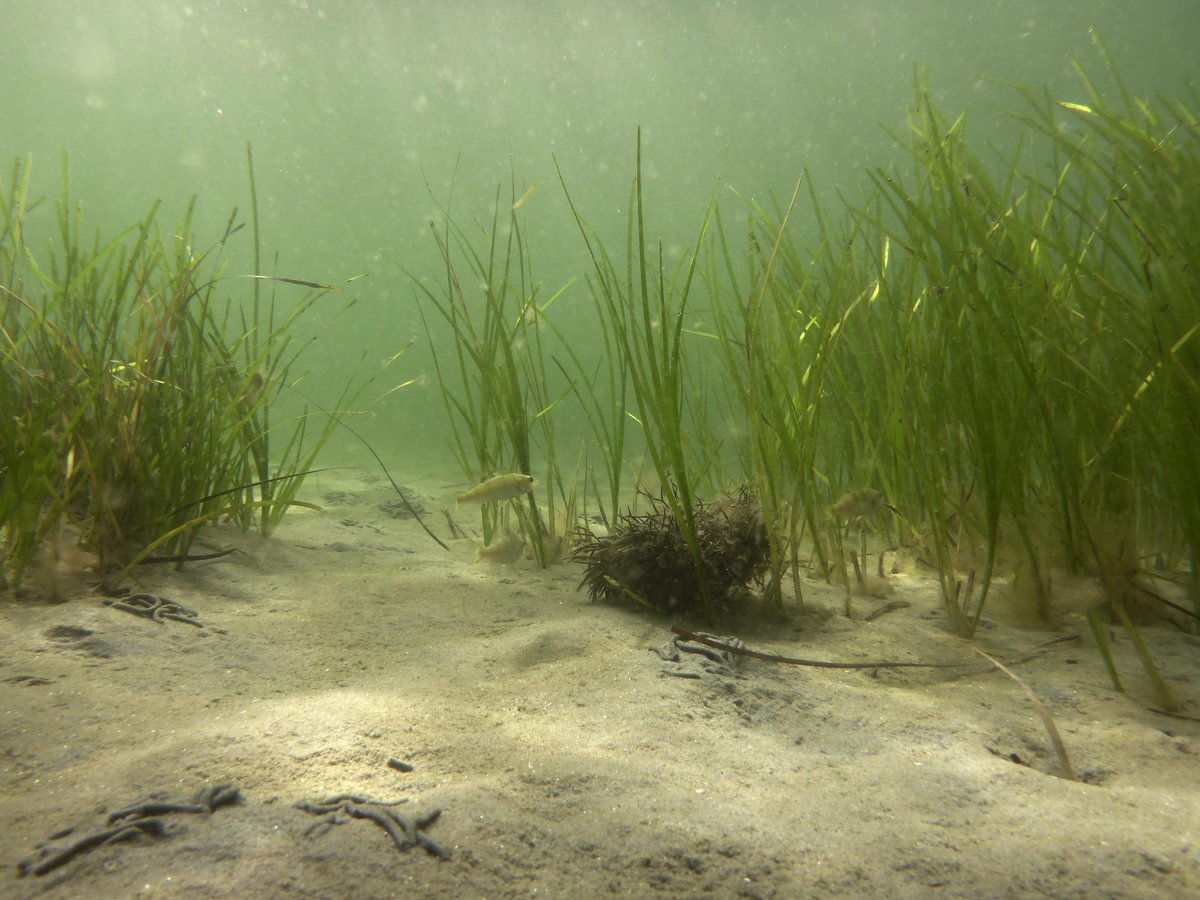
Ecosystem restoration has so far mainly focused on terrestrial habitats, such as reforesting woodlands. Efforts to restore marine ecosystems have been relatively rare. However, recent progress has been made in coastal ecosystems, including mangroves, kelp forests, seagrass meadows, mussel and oyster reefs, and, on a small scale, coral reefs.
Whether restoration efforts are successful depends on many factors. For example, it matters what type of ecosystem is being restored, how large and complex it was in the past, where it is located, and which techniques are used. Site-specific ecological factors, such as species selection and composition, must be carefully considered. At the same time, changing environmental conditions caused by climate change must also be taken into account.
Ecosystems can be restored in various ways, such as:
- Replanting key habitat-forming species such as mangroves, seagras, kelp and reef-forming mussels
- Reintroducing formerly native marine animals
- Removing invasive algae species or other dominant disturbances
- Most importantly, reducing anthropogenic stress factors so that ecosystems can focus on natural recovery. Some of the most significant stress factors include intensive fisheries, uncontrolled discharge of waste, sewage and pollutants, overexploitation of coastal forests and meadows, the development of important coastal areas, the extraction of raw materials (oil, natural gas, gravel, sand) and disruptive ship and boat traffic.
Long-term protection and sustainable use
Even if there are initial successes, the task of restoring and protecting ecosystems is a huge challenge. It is rarely possible to fully return a destroyed coral reef or a deforested mangrove site to its original state. The many interactions between the marine environment, living organisms, and nutrient cycles that make up an ecosystem are too complex for that. Additional complications arise from climate-related environmental changes, such as rising water temperatures and sea levels. These alter the physical conditions and thus the fundamentals of life in the ocean.
The restoration of marine ecosystems is most effective when it aims to strengthen the biodiversity and ecosystem services of natural habitats in the long term and involves all those communities that depend on this ecosystem for their livelihood in the planning and implementation of the necessary measures – that is, those people who earn their livelihood from fishing, selling mangrove wood or income from tourism. Appropriate sustainable compromise solutions must be found for these communities.
Once an ecosystem has been restored, all further human intervention should be reduced to a sustainable minimum.
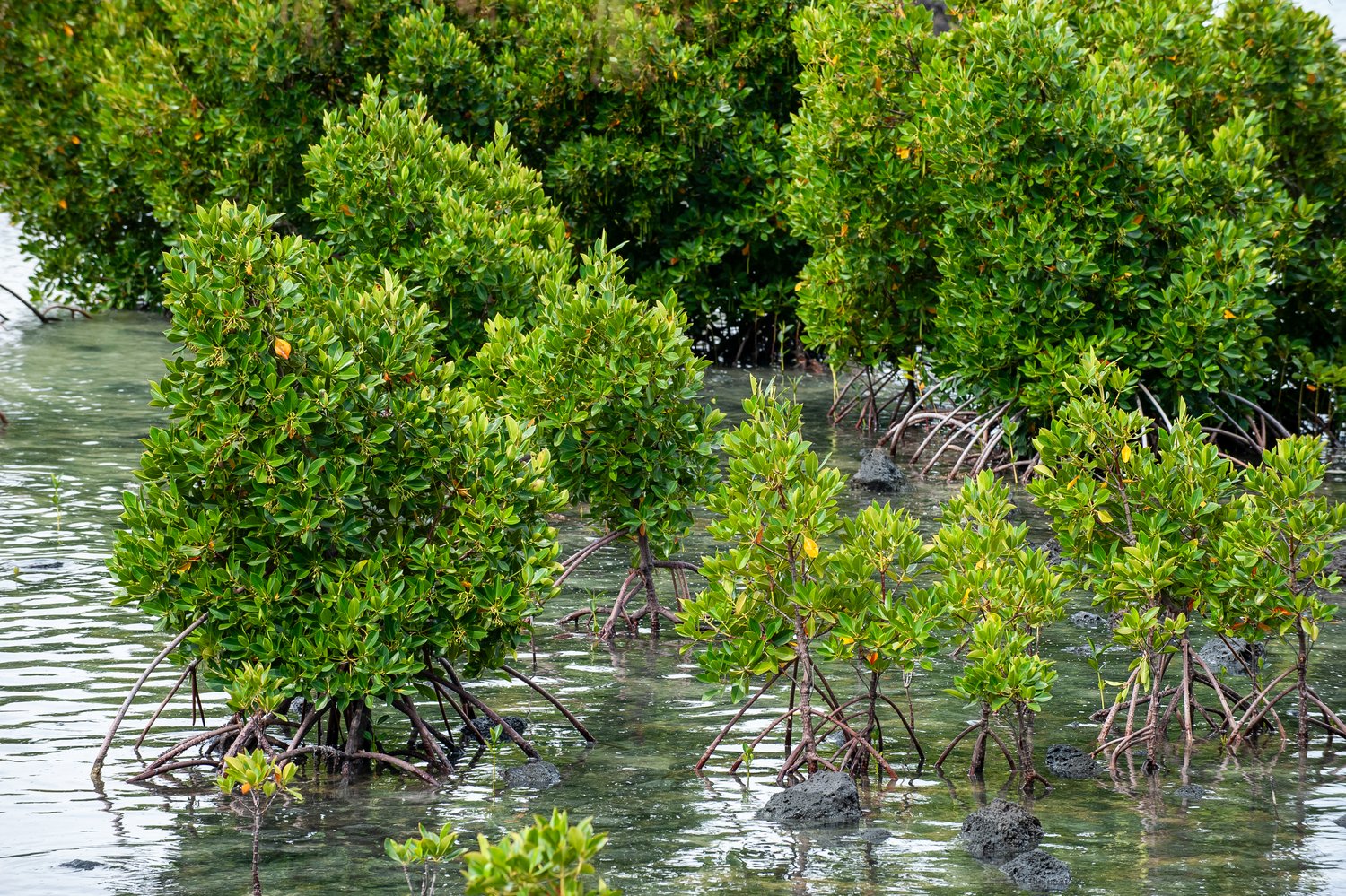
Focus topic: Restoring marine habitats
Successful projects demonstrate that damaged marine ecosystems can recover under certain conditions. This can greatly benefit both humans and nature. This focus deals with the options for successfully restoring marine ecosystems.
- Abelson, A., Reed, D. C., Edgar, G. J., et al. & Nelson, P. (2020). Challenges for restoration of coastal marine ecosystems in the Anthropocene. Frontiers in Marine Science, 7, 544105. doi.org/10.3389/fmars.2020.544105
- Bayraktarov, E., Saunders, M. I., Abdullah, S., et al. & Lovelock, C. E. (2016). The cost and feasibility of marine coastal restoration. Ecological Applications, 26(4), 1055-1074. doi.org/10.1890/15-1077
- Boström-Einarsson, L., Babcock, R. C., Bayraktarov, et al. & McLeod, I. M. (2020). Coral restoration – A systematic review of current methods, successes, failures and future directions. PloS one, 15(1), e0226631. doi.org/10.1371/journal.pone.0226631
- Eger, A. M., Marzinelli, E., Gribben, P., et. al. & Vergés, A. (2020). Playing to the positives: using synergies to enhance kelp forest restoration. Frontiers in Marine Science, 544. doi.org/10.3389/fmars.2020.00544
- Fuchs, G., Noebel, R. vom Ecologic Institut (2023). Die Wiederherstellung von Meeres- und Küstenökosystemen. Policy Paper Reihe zur UN-Dekade zur Wiederherstellung von Ökosystemen (2021-2030), Policy Paper Nr. 6