
1. A chequered natural history
Alongside the Alpine peaks, the Wadden Sea on the North Sea coast is considered one of the few landscapes in Central Europe in which human intervention has so far remained comparatively marginal. It has been recognised as a UNESCO World Heritage Site since 2009, placing it in the same league of international esteem as the Great Barrier Reef or the Galápagos Islands. However, the International Union for Conservation of Nature (IUCN) now rates its ecological condition as good only with reservations.
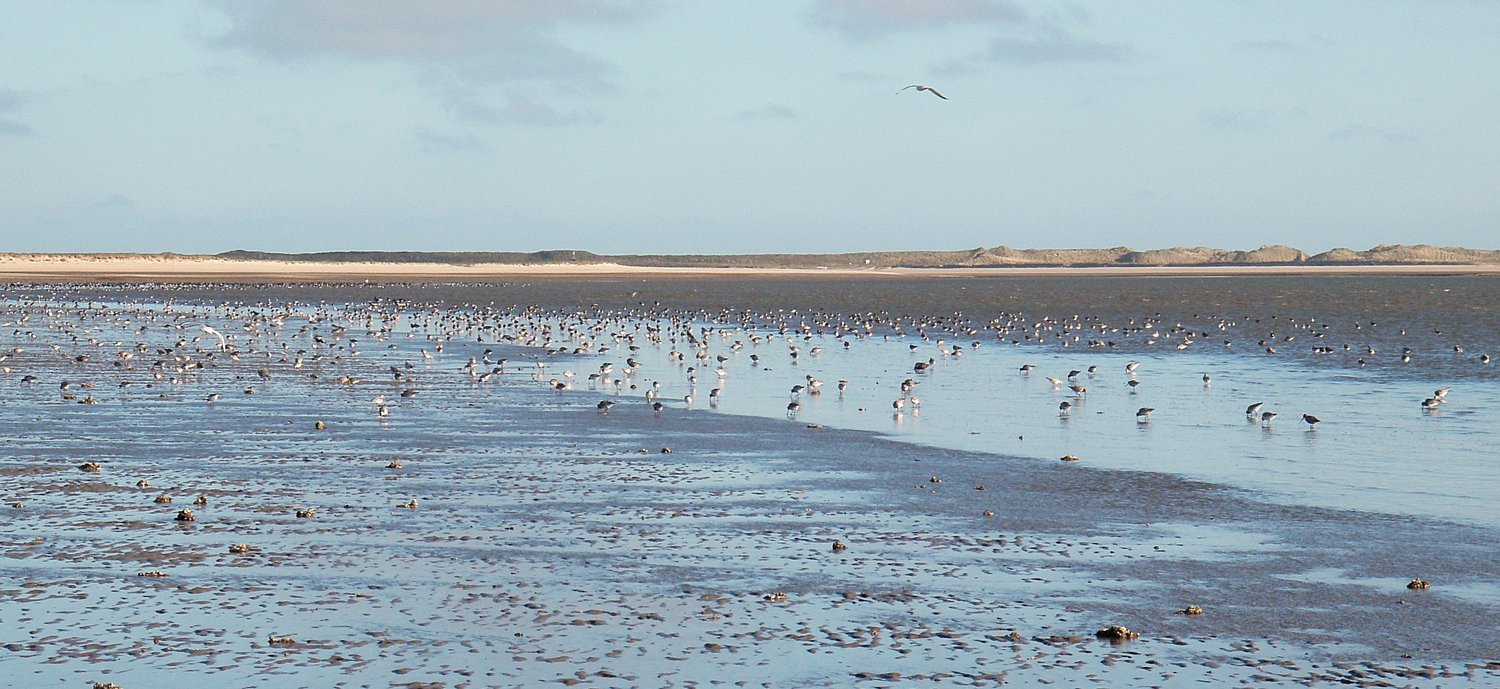
(Picture: Karsten Reise)
Looking back, the tidal flats were held in little regard for a long time. Mud and sand only gained value once they had been wrested from the sea through land reclamation and diking. This culminated in the idea of turning the entire Wadden Sea between the mainland and the islands into farmland by building dams and barrier works. But in the 1960s a counter-movement took shape, first in the Netherlands, then in Germany and Denmark. People recognised that the broad tidal flats protect the settled coast during storms, and discovered the area's ecological value: as a nursery for North Sea fish, as a feeding and resting ground for flocks of migratory birds, and as a habitat for harbour seals, which had by then become rare. Diking came to an end in the 1980s, and national parks were established in the Wadden Sea.
While early nature conservation was concerned chiefly with the Wadden Sea's threatened breeding birds, today's national parks aim to let natural processes unfold across the entire Wadden Sea ecosystem as far as possible, and to preserve its natural biodiversity.
It is worth bearing in mind that nature is constantly evolving – especially in the geologically young Wadden Sea. It only came into being around 7,000 years ago, once the rate of post-glacial sea-level rise slowed enough for coastal sediment deposits to keep pace with it. This interplay of natural forces along the North Sea coast was already being curtailed a thousand years ago, when the diking of salt marshes and tidal flats began. Larger animal species also disappeared early on through hunting and fishing. The ecological history of the Wadden Sea is therefore a chequered one, closely interwoven with human influence, and the idea of an "ecological balance" does not really apply here. This change is especially well documented in a bay at the northern tip of the island of Sylt: Königshafen. Its regal name – literally "the King's Harbour" – recalls a bloody naval battle fought by the Danish king during the Thirty Years' War (1618–1648).
2. A hundred years of research at Königshafen
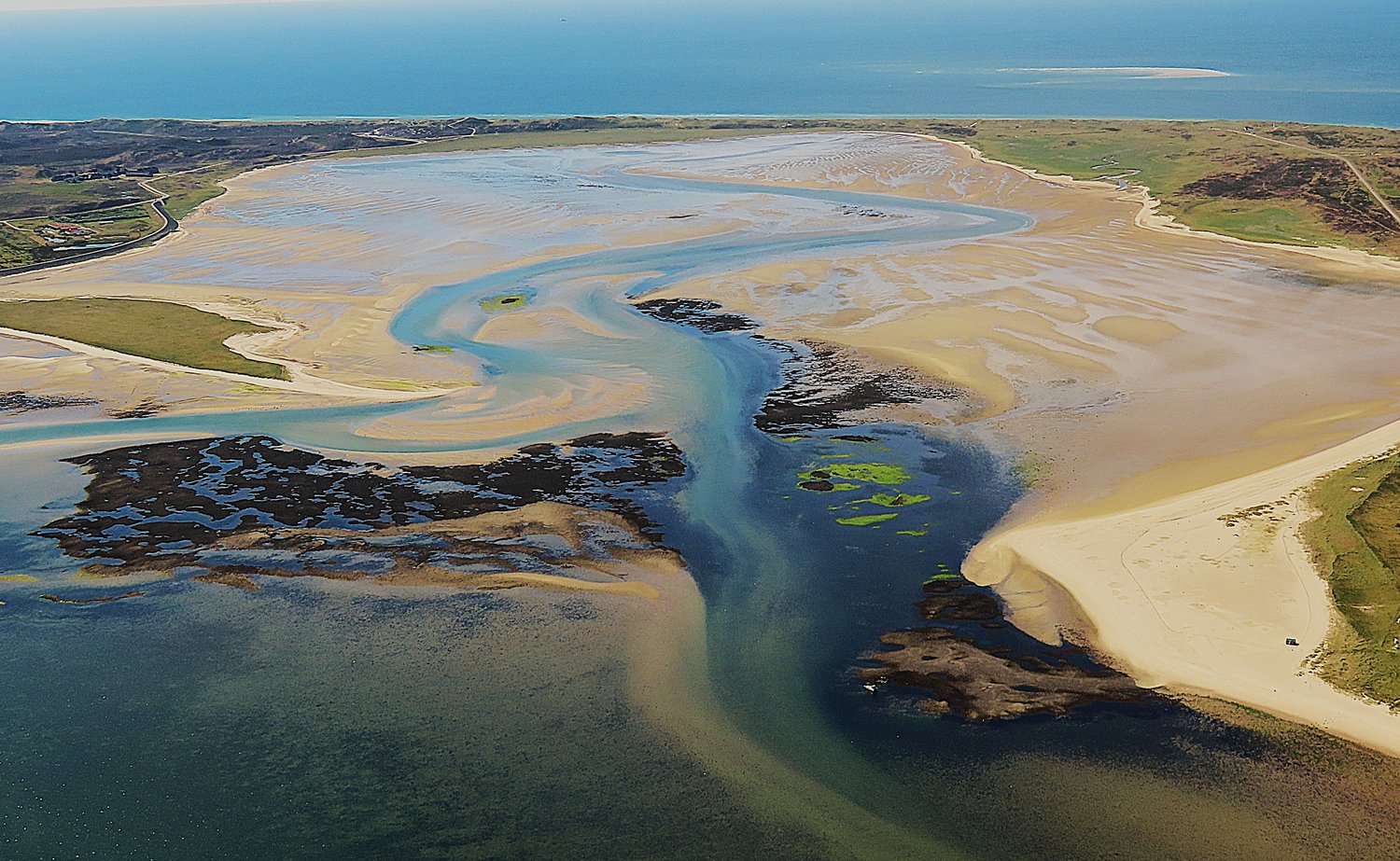
Königshafen is ringed by dunes and sheltered from storm surges coming from the west. The bay covers around eight square kilometres, a little over half of which emerges as tidal flats at low tide. Salt marshes, sand flats, mudflats, mussel reefs and tidal creeks together form a varied mosaic of habitats.
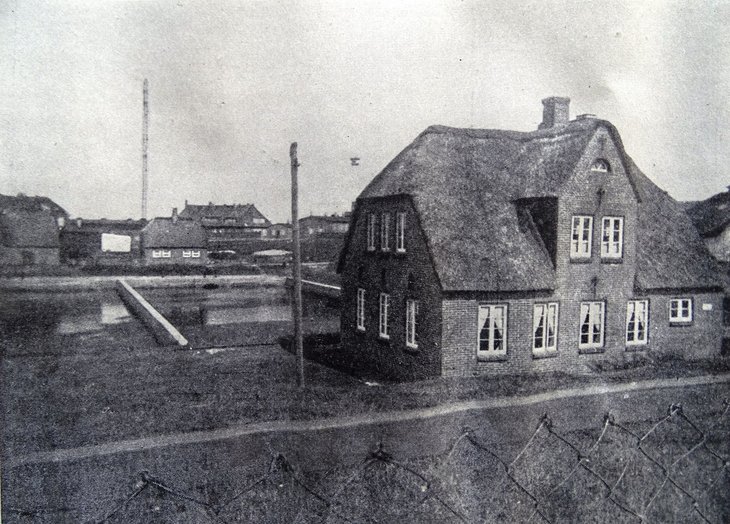
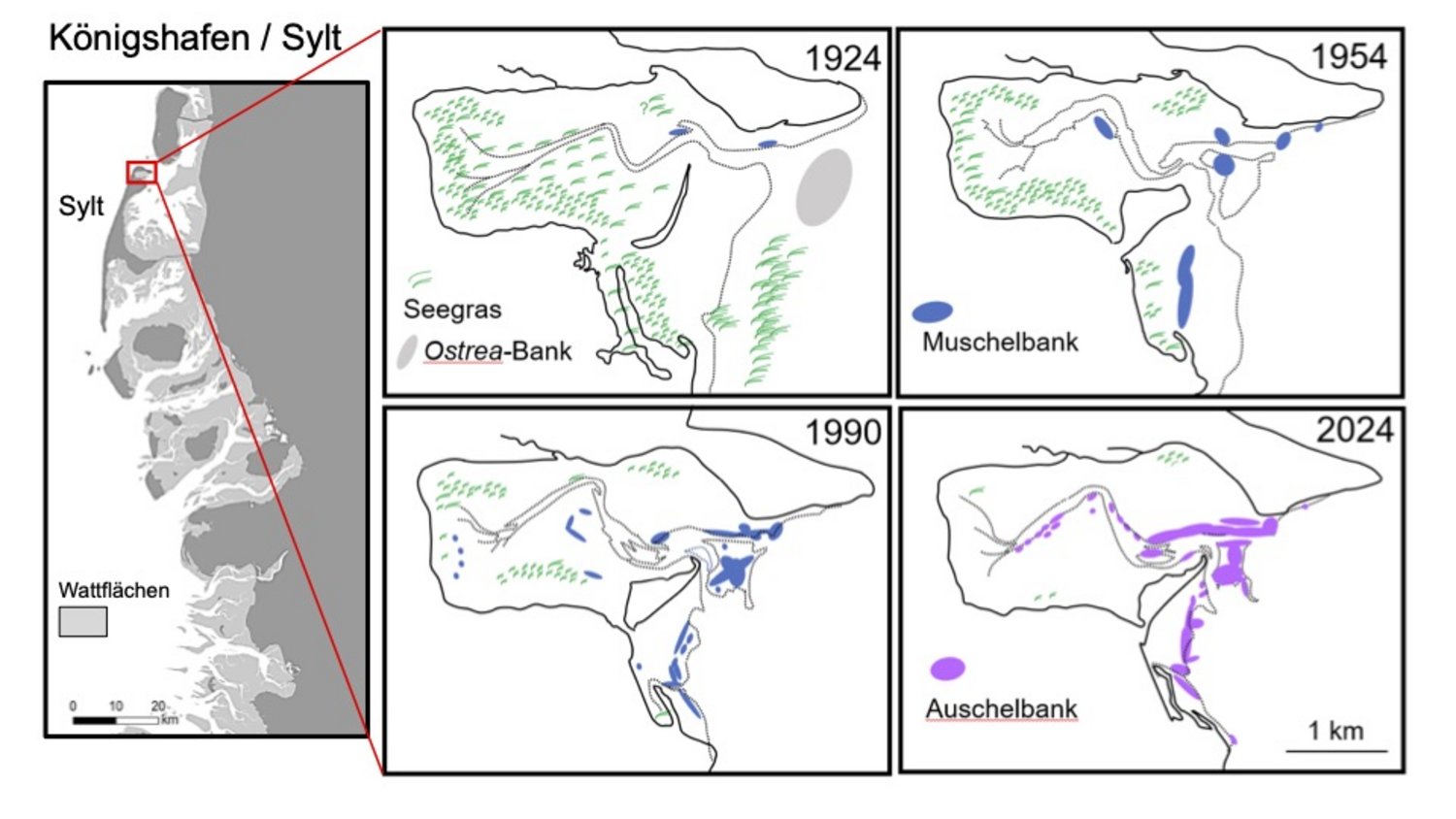
A laboratory was already set up at Königshafen in 1924; it later grew into today's Wadden Sea Station Sylt, run by the Alfred Wegener Institute, Helmholtz Centre for Polar and Marine Research (AWI). At the time, the aim was to save oyster beds threatened by overfishing. That attempt failed, and the native European flat oyster (Ostrea edulis) died out in the Wadden Sea. Even so, a wealth of ecological records has accumulated ever since. Seagrass meadows and mussel beds in the bay were first mapped by Wilhelm Nienburg in 1924, and in the 1930s Erich Wohlenberg carried out the first studies there of the sediments and the animals living in them.
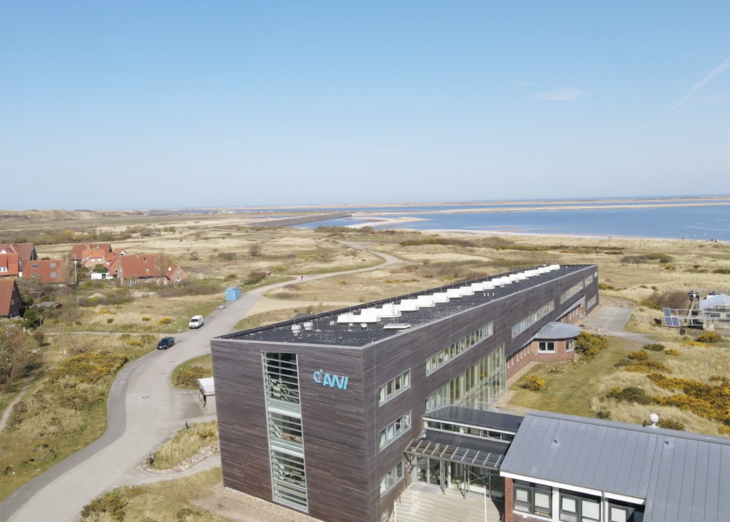
Over the past hundred years, more than 500 scientific publications have been produced on the geology, biology and ecology of Königshafen. Complemented by numerous student theses and, from 1936 onwards, by high-resolution aerial photographs, this body of work has built up a comprehensive picture of ecological change in the bay. More than 20,000 students have also got to know life in the sea and on the tidal flats, mostly through two-week courses.
Königshafen has been under nature protection since 1980; it has been part of the Schleswig-Holstein Wadden Sea National Park since 1985 and of the UNESCO World Heritage Site since 2009. Its exceptionally well-documented ecological history offers insights that reach far beyond this small bay, and provides valuable perspectives on how we deal with global change.
3. Then and now: the state of the bay in 1924
Wilhelm Nienburg's map from 1924 shows a bay that is barely recognisable today. Seagrass meadows occurred throughout Königshafen: dwarf eelgrass (Nanozostera noltei) close to the shore, and common eelgrass (Zostera marina) further out. The latter also grew on the permanently flooded slope leading down to the deep tidal channel, and so densely, as Erich Wohlenberg recorded, that oars would catch in its long leaves while rowing. Large areas consisted of mud so soft that it could not be waded through – researchers in the 1920s and 1930s could only reach these areas by boat.
At that time there were only two blue mussel beds, both at the edge of the main tidal channel. In the permanently flooded part of the bay, however, lay a bed of the native European flat oyster (Ostrea edulis), which had already begun to disintegrate after years of overexploitation. Twice, in 1914 and again in 1925/26, attempts were made to revive it with young oysters bought in from the Netherlands. Both attempts failed, probably because the imported animals lacked the resilience needed to survive the colder winters of the northern Wadden Sea. By 1954 the bed had disappeared completely. With it went, irretrievably, the region-specific adaptations that the European flat oyster had developed to the northern Wadden Sea – the first major loss in this hundred-year balance sheet.
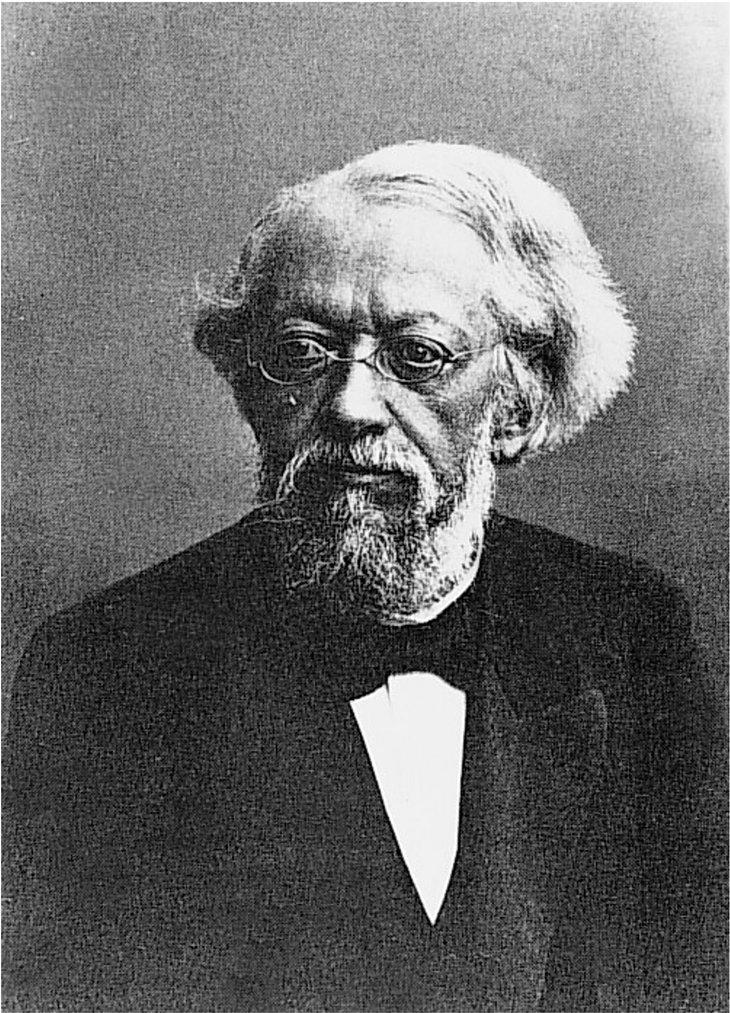
The oyster bed as a biological community
Karl August Möbius (1825–1908) is credited with originating the concept of the ecological community (biocoenosis), in which all organisms are held in balance through their interactions with one another and with their environment. He developed this idea using the oyster bed in Königshafen, Sylt, as his example – a bed that ultimately could not withstand overexploitation.
4. Why did the seagrass disappear?
In 1933 and 1934, common eelgrass was struck by the highly infectious single-celled pathogen Labyrinthula zosterae and died back. This slime-mould-like organism first appeared in North America and was probably introduced from there by shipping. Within the intertidal zone, the eelgrass recovered to some extent by 1954, but the extensive meadow in the permanently flooded area never returned.
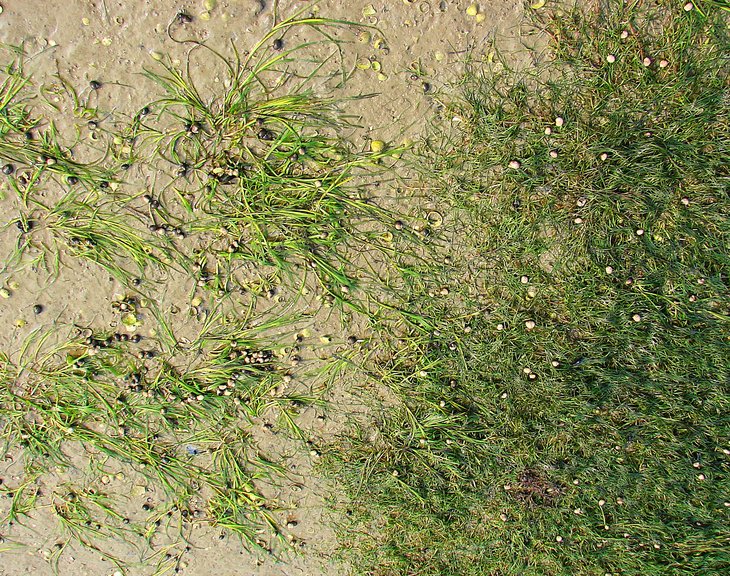
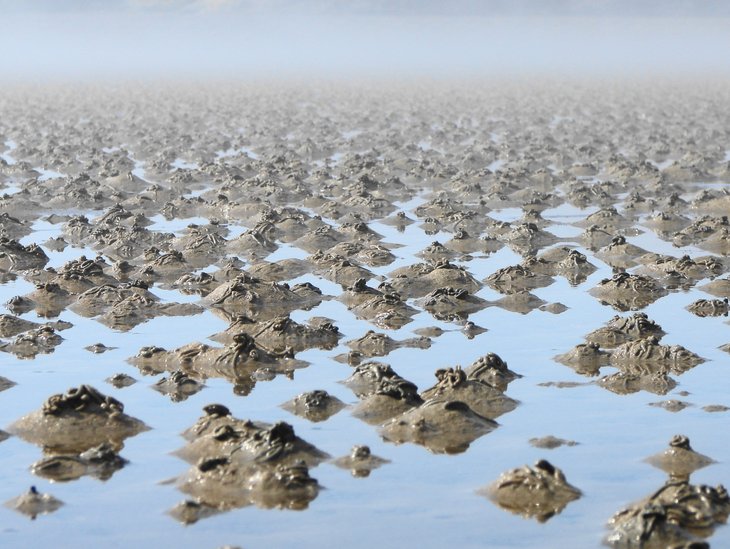
The consequences reached far beyond the seagrass itself. Seagrass meadows slow the current near the seabed and allow fine particles to settle, effectively creating their own muddy substrate. Where the seagrass vanished, these mud particles were washed away, the sediment became sandier, and lugworms (Arenicola marina) spread. Through their intensive burrowing, the lugworms reinforced the sandy state of the sediment still further; their digging also buries seagrass seeds, making it harder for the plant to return. Muddy seagrass meadows turned into sandy lugworm flats, and the character of the Königshafen bay changed fundamentally.
Exclusion experiments carried out in the late 1970s showed that this shift is not necessarily irreversible: when lugworms were fenced out of plots, seagrass colonised them almost immediately. In a similar experiment 25 years later, however, the plots remained almost free of seagrass – by which time the bay's overall seagrass stock had already declined substantially.
5. How great was the impact of nutrient over-enrichment?
From the summer of 1979 onwards, extensive mats of filamentous green algae blanketed the tidal flats. They smothered the remaining seagrass meadows and covered wide areas of sandy flats, because algal strands slipped into the funnel-shaped feeding pits of lugworm burrows and anchored themselves there. The mats began to rot from underneath, hydrogen sulphide built up, and the animals living in the sediment fled or suffocated. Dense growths of microscopic algae also impaired the seagrass's ability to photosynthesis.

The cause was an oversupply of the plant nutrients nitrogen and phosphorus, carried into coastal waters by rivers. Nutrient loads peaked in the late 1980s and have since fallen by around half for nitrogen and by 70 to 85 per cent for phosphorus, thanks to reduced inputs from agriculture and wastewater following social and political decisions. As a result, large-scale mats of green algae have no longer occurred at Königshafen since the 2000s.
Even so, the seagrass never made a lasting comeback. In 1958 it still formed a continuous belt; by the 1970s this had broken up into isolated patches. After a brief recovery in the 1980s, it declined further, and since 2020 the dense meadows have disappeared altogether, with only small remnants persisting. The reasons for this are unclear, since across much of the rest of the northern Wadden Sea seagrass has been spreading again since the 2000s and today covers roughly the same total area as in the 1930s. Looking at the whole period, though, the pattern is clear: first an introduced disease struck common eelgrass, and later both seagrass species suffered from excessive nutrient inputs into the Wadden Sea.
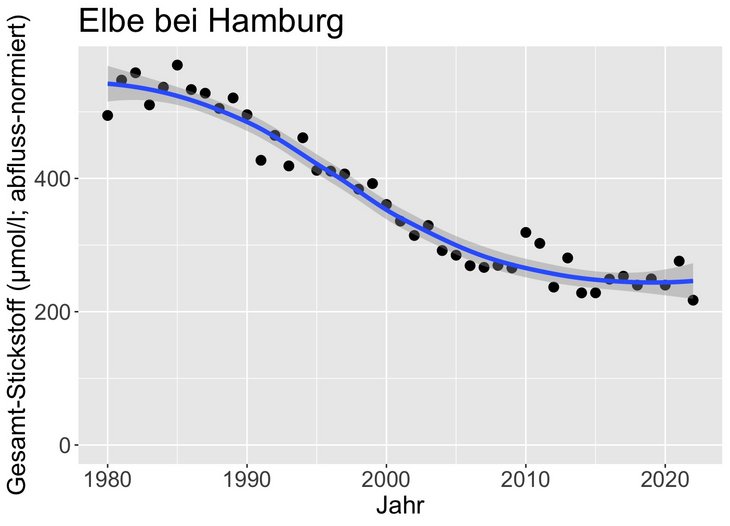
Effective environmental policy: cutting nutrient pollution
The cause of the mass algal blooms in the Wadden Sea was known and quantifiable: too much nitrogen and phosphorus were entering coastal waters. Science-based reduction targets and measures followed. After peaking in the late 1980s, nutrient loads fell markedly. The success is visible at Königshafen too: since the 2000s, large-scale mats of green algae have no longer occurred there.
6. What influence did ice winters have?
For decades, harsh winters acted as an important ecological pacemaker in the Wadden Sea. When ice floes scraped across the tidal flats, they destroyed mussel beds. Frost did the rest, decimating cockles, sand mason worms and the introduced slipper limpet, among others. The following summer, young cockles would then flood the tidal flats. They were able to survive because their predators had themselves been reduced in numbers by the severe winter, or became active too late – by which time the small cockles were already protected by firmer shells. After a mild winter, by contrast, the fresh crop of young cockles is quickly eaten by juvenile shore crabs, shrimps and fish.
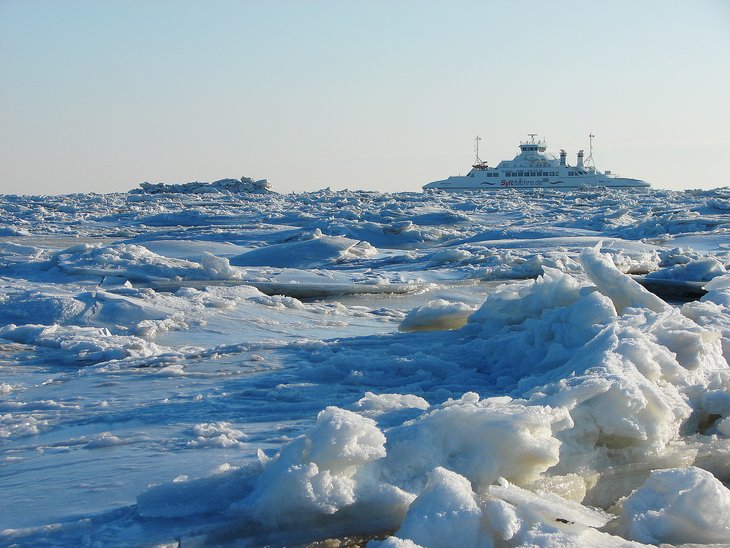
Since the late 1990s, icy winters have become rare. Ice floes have only pushed across the flats once more, in 2012, and briefly again in February 2026. For cockle populations this means constant predation pressure with no recovery phases – and strong year classes have all but ceased to occur.
The mean winter temperature at the List weather station has risen by 3.1 degrees Celsius since 1937, while the summer temperature has risen by only 1.4 degrees; surface water today is around 2 degrees warmer than in the 1930s.
Remarkably, it is not the mean annual temperature that makes the difference, but the absence of extreme events. In future, summer heatwaves rather than ice winters could become the extreme that triggers mass mortality and displacement on the tidal flats. The introduced Pacific oyster, for instance, benefits twice over: ice winters harm it, while its offspring thrive particularly well in hot summers.
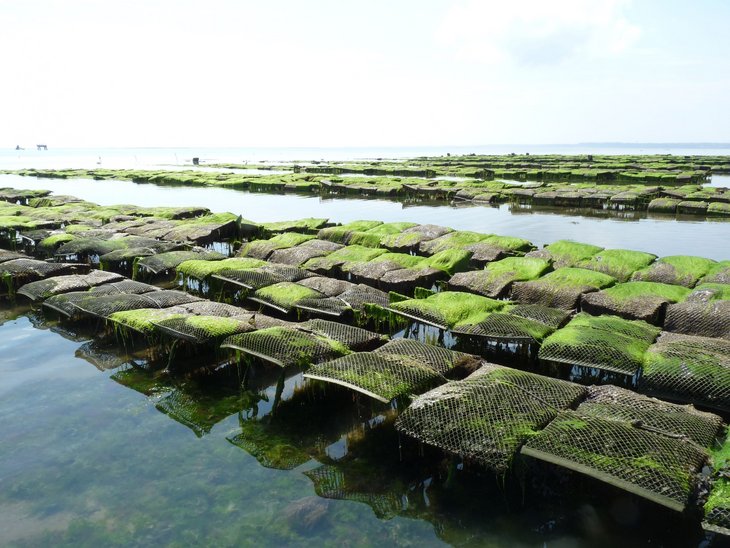
(Picture: Christian Buschbaum)
Not far from Königshafen, a fishing business introduced Pacific oysters (Magallana gigas) for commercial cultivation in 1986, keeping them in mesh bags on trestles. From there, free-swimming oyster larvae reached the Wadden Sea and settled on the mussel beds. The introduced oysters grew quickly, at first smothering the smaller mussels they had settled on. Gradually, though, the oysters built up three-dimensional reefs, and in the niches of these reefs the mussels found a new habitat. There they stay smaller, but are protected from predators such as starfish, crabs, gulls and eider ducks.
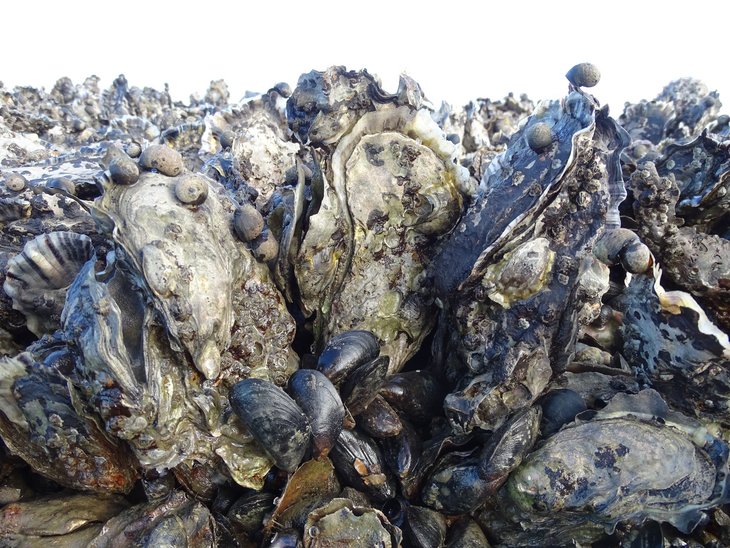
In this way, mussel beds turned into what might be called "oyssel banks" – a blend of oyster and mussel – made up of a mix of Pacific oysters and native mussels.
Climate warming played a decisive role: Pacific oysters spread when summer water temperatures regularly climb above 18 degrees Celsius. This condition has been met at Königshafen in almost every summer since 2002, and from then on Pacific oysters began to dominate most of the mussel beds.
This transformed the ecology of the bay: filtration capacity has more than doubled thanks to the incoming oysters. Oyssel banks today form an almost continuous barrier at the entrance to Königshafen, damping wave energy and slowing the ebb current, so that large low-tide pools have formed further inland. Together with the fine particles the mussels and oysters excrete, this has led to more mud in the sediment once again: the proportion of muddy ground stood at over 30 per cent in the 1930s, fell to around 10 per cent by 1990, and has since risen back to roughly 20 per cent. In addition, Japanese wireweed (Sargassum muticum), introduced along with the oysters and now growing on the reefs, slows the current in the main tidal channel.
With the mud, species once thought lost are returning to Königshafen. The mud shrimp Corophium volutator, which occurred in mass numbers in the upper tidal flats until the 1970s and was then almost entirely absent for four decades, has been back since the late 2010s. The introduced oysters have thus, at least in part, recreated conditions that were once created by the vanished seagrass.
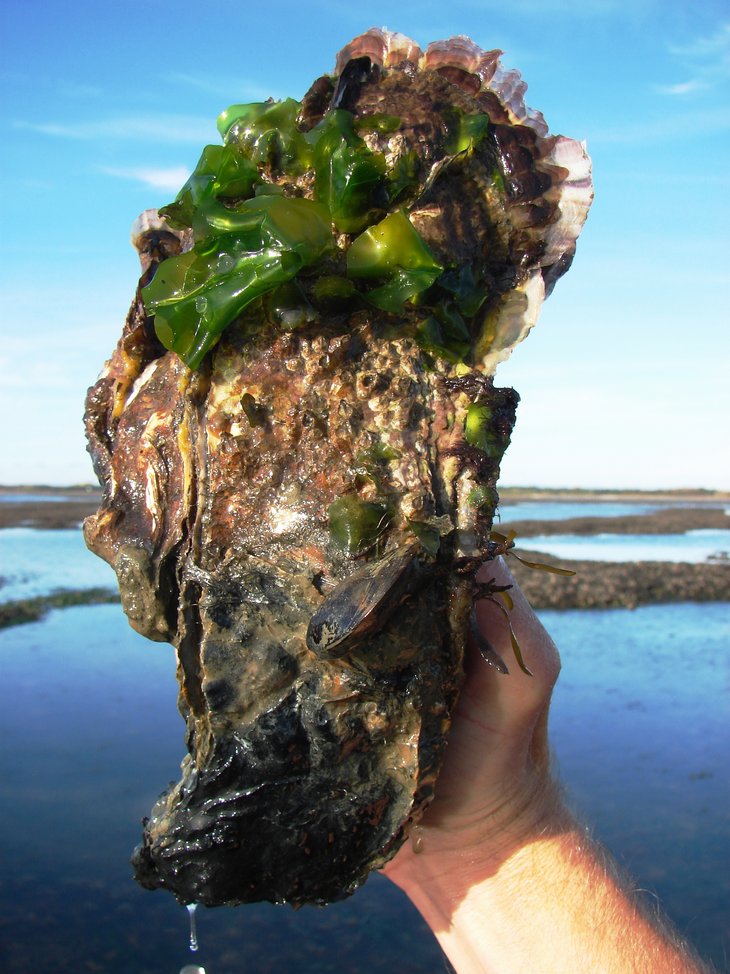
Fact file: the Pacific oyster
- Size: up to 20 centimetres, sometimes larger
- Shell: very thick, often with sharp-edged margins and ridges
- Origin: Pacific coasts of Asia – introduced by humans to Europe, North America, South Africa, Australia and New Zealand
- Diet: plankton
- Predators: few; adult oysters are hard to crack open – bad luck for coastal birds, good luck for people with oyster knives
- 1986: introduced to the Sylt Wadden Sea through oyster farming
- Since 2002: the dominant species on the mussel beds at Königshafen
8. Who counts among the winners, and who among the losers?
High biological diversity promises adaptability: if one species drops out, others can take over its function. But how many species have been lost over the past 100 years, and how many have been gained? Although losses are harder to document than new arrivals, the finding is clear-cut: only six of the algae and tidal-flat animal species recorded in the 1920s and 1930s could no longer be found later at Königshafen, while more than 50 non-native species have newly appeared, particularly many of them in the last 25 years. Almost all originate from warmer coasts overseas. Most reached Europe as stowaways on shipping, or were introduced for economic reasons – as with the Pacific oyster, whose imports also brought further species clinging to the shells.
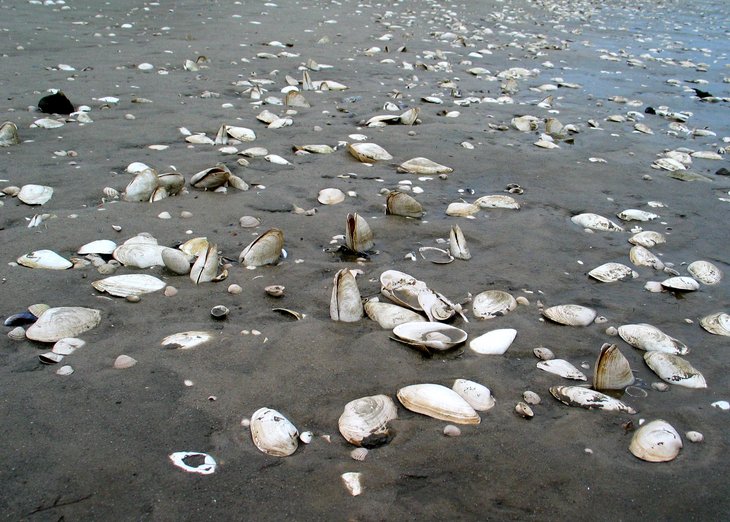
Some species returned to Königshafen after decades of absence: the large polychaete worm Neoamphitrite figulus, once a resident of seagrass meadows, had disappeared for decades before recolonising the oyssel banks in the 1990s. The boring sponge Cliona celata and the worm Dodecaceria concharum, both of which had vanished along with the native oysters, likewise returned together with the Pacific oysters. Just how tricky it is to decide which species should count as native is illustrated by the sand gaper (Mya arenaria): it originates from America and had already reached the Wadden Sea in the 14th century – long before Königshafen even existed in its current form.
So far, not a single species loss at Königshafen has been directly attributed to newcomers. This is probably because the Wadden Sea is a comparatively young habitat that still leaves plenty of room for additional ecological functions. Because of where they come from, the new arrivals already carry adaptations to the ongoing warming of the Wadden Sea, and could at least partly offset climate-driven losses among native species – for instance, by helping to prevent food shortages for fish and birds. It cannot be ruled out, however, that a highly infectious pathogen might be among the introduced species, as happened with the seagrass in the 1930s.
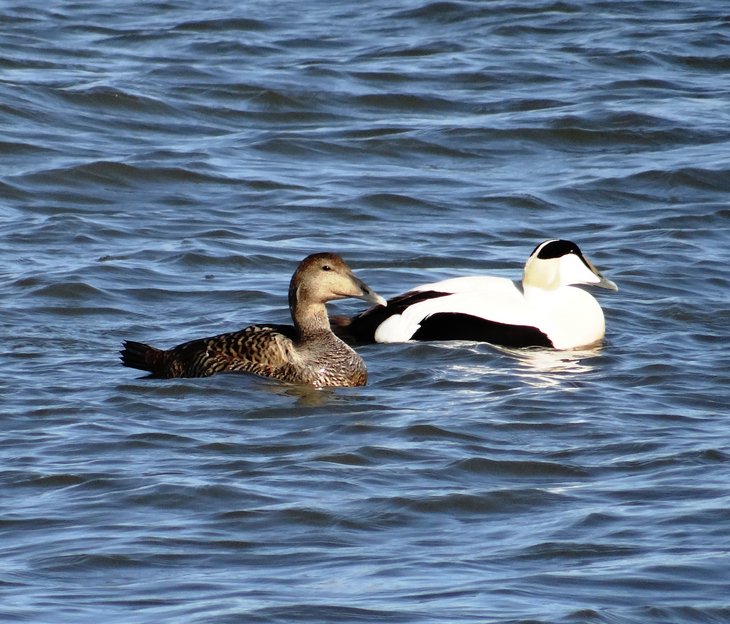
Brent geese and wigeon have adapted to the changed food supply. In autumn they prefer to feed on seagrass, but at Königshafen they now switch to green algae on the flats at low tide and to plants in the salt marshes at high tide. Eider ducks, by contrast, which feed mainly on mussels, have become scarce in the bay: they can barely reach the small mussels wedged among the large, firmly cemented oysters. They have not disappeared from the Wadden Sea altogether, though, because large mussel beds without oysters still exist elsewhere, and eiders can also switch to other shellfish species.
On balance, the number of species in the bay has risen markedly. In the process, the way the ecosystem functions has shifted fundamentally: from a predominantly autotrophic to a predominantly heterotrophic bay – that is, from a system shaped by plants to one shaped by consumers. The sharp rise in filter-feeding bottom animals suggests that the plankton supplied by the North Sea was previously exploited only to a small degree. Conversely, the loss of seagrass shows that the potential for large-bodied primary producers is now often being taken up by introduced algae instead.
9. A novel ecosystem
The ecological history of Königshafen has produced a mosaic on the seabed made up of long-standing and newly arrived elements, together forming a different ecosystem from the one that existed 100 years ago. The lasting consequences of the seagrass losses and the arrival of the Pacific oyster illustrate how much individual events can shape ecological patterns and processes. The effects do not simply add up; the order in which they occurred has also contributed to today's ecosystem structures.
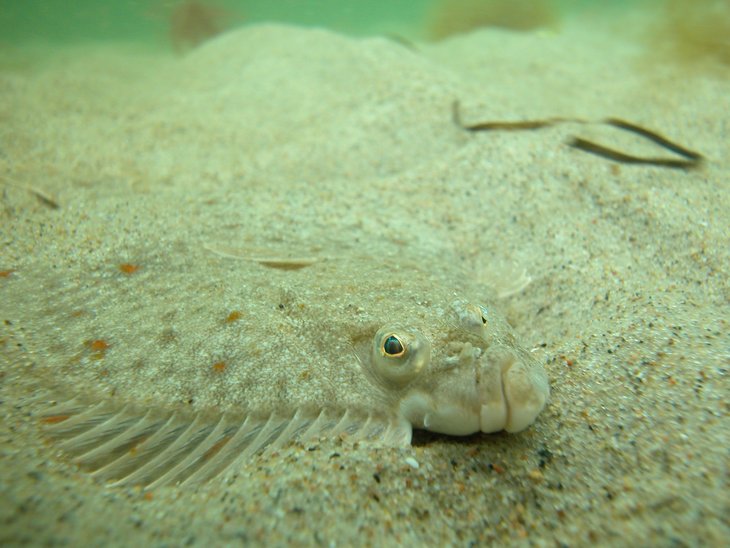
This has also changed the services the ecosystem provides – for example, its function as a carbon sink or source, its nutrient cycling, and the food webs and food availability for birds and fish.
These changes have been driven above all by direct and indirect human influence – starting with the hunting of large animals, land reclamation and dike-building, and continuing through to today's global change, ocean warming, introduced species and further factors that do not stop at the boundaries of the Wadden Sea's protected areas.
On the seabed of Königshafen, introductions have led to a rising net species richness. Yet a rising number of species here is not evidence of a good environmental state; rather, it is a consequence of global shipping trade, aquaculture and climate warming. The IUCN now rates the ecological condition of the Wadden Sea World Heritage Site as good only with reservations, citing climate change, chemical pollution, overfishing, the expansion of ports and offshore wind farms, intensive tourism and invasive species as reasons for the deterioration – a mix of global, but especially also regional, stressors.
Nevertheless, the novel ecosystem that has emerged at Königshafen is not necessarily inferior to the historical one. Introduced species can be just as well, or even better, adapted to ongoing global change than native species, and may therefore even confer advantages – though they also carry uncontrollable risks, such as the introduction of pathogens.
10. What does this mean for marine management?
Ecological history, with its unpredictable and unique events, confirms that simple linear projections of current trends into the future are bound to fail. The unexpected coming-together of native mussels and Pacific oysters in the new oyssel banks, and the associated, surprising return of mud-rich habitats to Königshafen, show just how unpredictable ecological developments can be. This does not devalue models and systems analyses. But a model without historical depth only describes how an ecosystem currently functions, not why it became that way – and it tempts one to simply extend current trends in a straight line into the future. Ecological history can correct and complement such models.
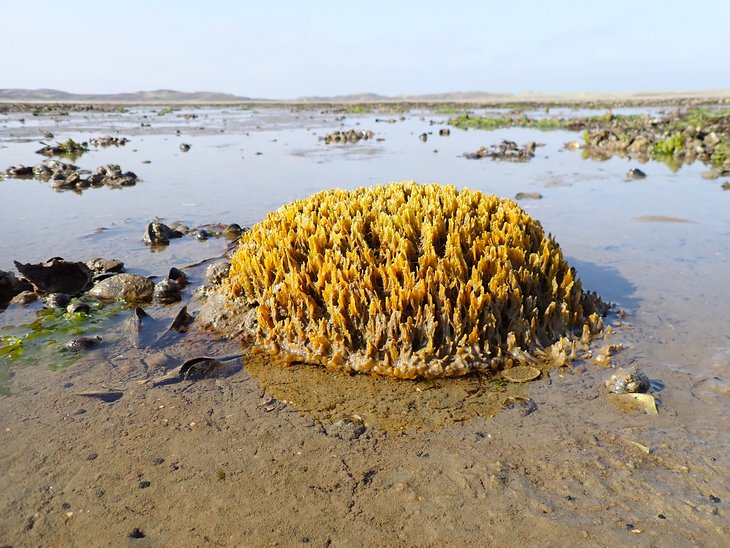
For our understanding of nature under global change, the Königshafen example shows that what was originally natural is not necessarily also the most resilient in a changing environment. The novel ecosystem in this bay may well be particularly well prepared for future challenges such as heatwaves, higher storm surges or further species introductions. Even so, priority must still be given to a climate and environmental policy that counteracts such developments.
For nature conservation, this means giving ecosystems as much room as possible to develop on their own terms. Nature must be able to adapt to climatic change and to the consequences of globalisation.
Conservation should intervene only where particular conditions are explicitly desired by society, where they serve the preservation of species, or where the destruction of natural habitat can be halted. In the Wadden Sea, particular attention needs to be paid to countering the increasing hardening of shorelines with artificial structures, the dredging of shipping channels, and fishing with trawl nets.
11. The Wadden Sea Station Sylt and the author team
A laboratory for research into the native European flat oyster was founded at Königshafen in 1924. It survives today as the Wadden Sea Station Sylt of the Alfred Wegener Institute, Helmholtz Centre for Polar and Marine Research (AWI). The station carries out research into coastal ecology and gives students and visiting researchers direct access to, and unique insights into, the Wadden Sea. Facilities of this kind for ecological research are essential for building knowledge about long-term change and for preparing us for the challenges that global change will bring.
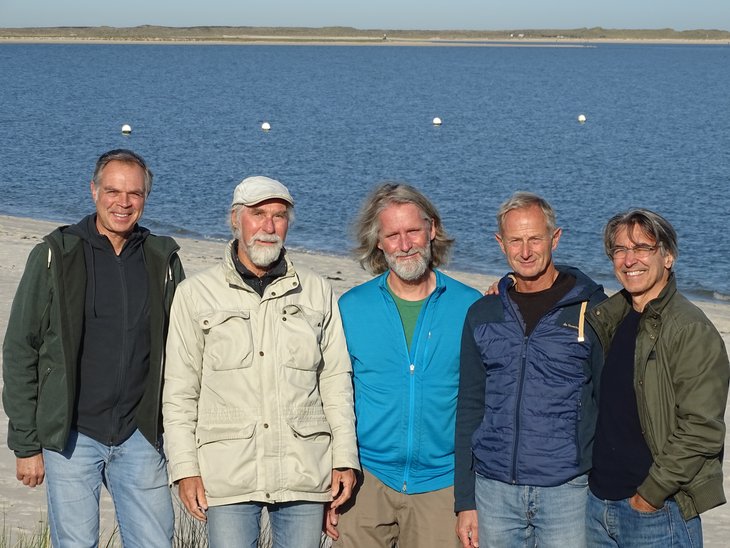
This Focus article draws on texts and work by a team of authors who have carried out extensive research at the Wadden Sea Station Sylt: Karsten Reise, Christian Buschbaum, Tobias Dolch, Justus van Beusekom and Mathias Wegner. In 2025 they brought together their findings, along with the work of generations of scientists and students at Königshafen, in the review article "Benthic losers and winners in a tidal bay since the 1920s" in the journal Marine Biodiversity, which can be downloaded via the following link:
https://link.springer.com/article/10.1007/s12526-025-01566-5