Overview

Marine research transfer offers

Knowledge and technology transfer ensures that the results of marine research can be utilised by society. Research institutions offer a diverse range of application-oriented transfer services tailored to the needs of politics, business and society.

1. What is transfer?

Scientific findings have a societal impact when they lead to innovations, developments, decision-making or an increase in knowledge outside the research community. The basis for this is the transfer of research findings to the worlds of politics, business and society. This process is not a one-way street; rather, it involves the exchange of knowledge with a view to jointly developing practical solutions and courses of action. 

Knowledge and technology transfer therefore plays a central role in marine research. Research institutions make their findings accessible and useful to non-scientific audiences in a variety of ways, depending on the goals they wish to achieve. MeereOnline has brought together the transfer activities of marine research institutions to provide an overview and make it easier to find relevant information.
DAM transfer offers

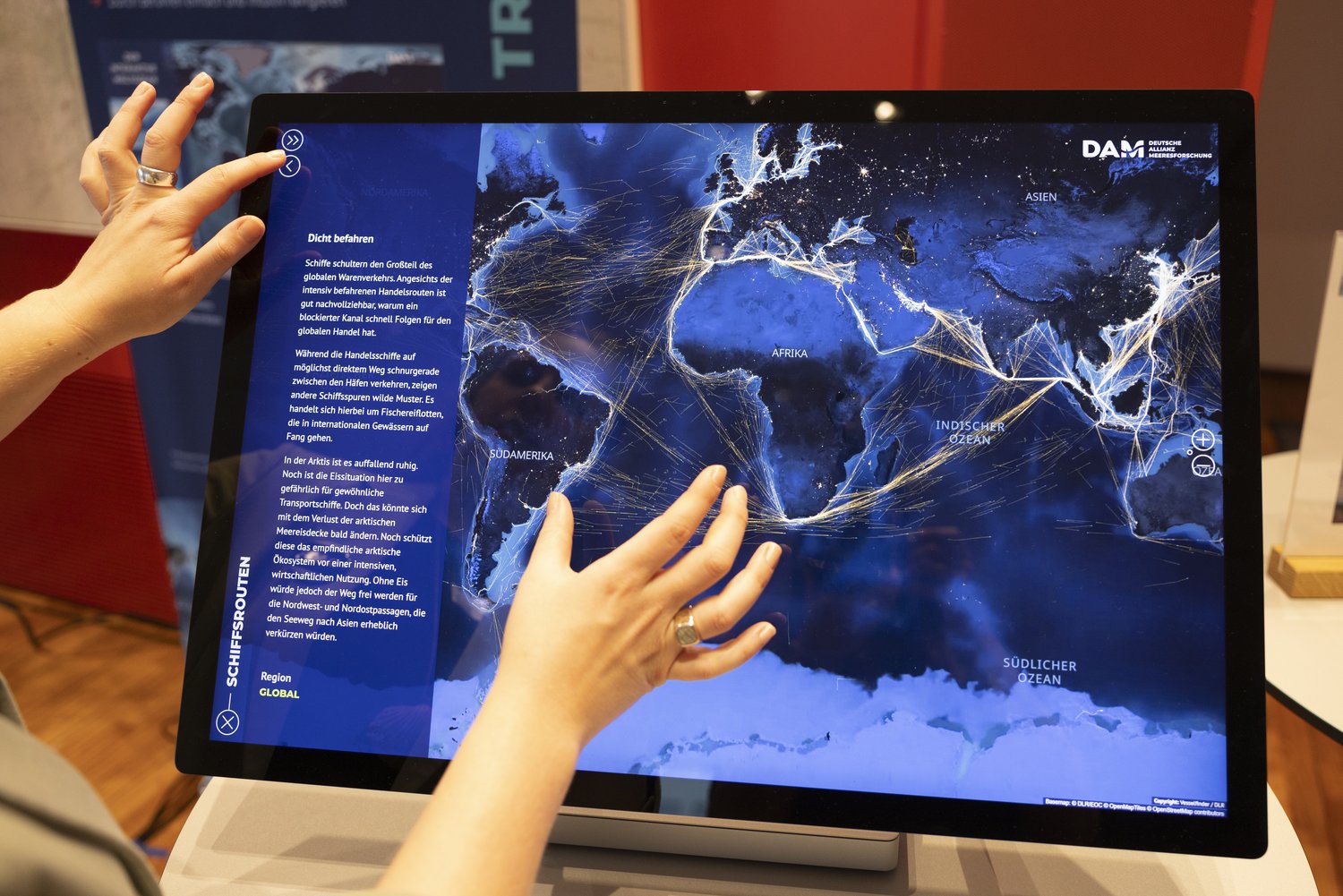
The German Marine Research Alliance brings together expertise from across marine research and complements existing transfer activities with cross-cutting formats. These include MeereOnline as an information portal for marine research, as well as dialogue events and advisory services for politics and society, alongside educational initiatives such as the Interactive World Ocean.

The DAM transfer offers 

2. Transfer activities at universities and research institutes

Knowledge and technology transfer at universities and non-university research institutions follows different priorities. Universities have traditionally combined broad responsibilities in both research and teaching. As a result, knowledge transfer is often closely linked to education, academic communication and regional networks. Partnerships with companies or public institutions frequently emerge from individual departments or research projects and tend to be organised in a comparatively decentralised way.

Non-university research institutions, meanwhile, each have their own distinct institutional profiles and missions, which strongly shape their transfer activities. The Max Planck Society, for example, is primarily focused on fundamental research. Here, transfer usually takes place through programmes for educational institutions or through spin-off companies emerging from outstanding research. The Helmholtz Association sees transfer as a contribution to solving major societal challenges of the future. The Fraunhofer Society concentrates on applied research and the direct transfer of technology into industry, while Leibniz Association institutes address a broad range of socially, economically and environmentally relevant issues, with a strong emphasis on knowledge transfer.

The following alphabetical overview presents the transfer activities of universities and non-university institutions involved in marine research in Germany.
AWI – Alfred Wegener Institute, Helmholtz Centre for Polar and Marine Research

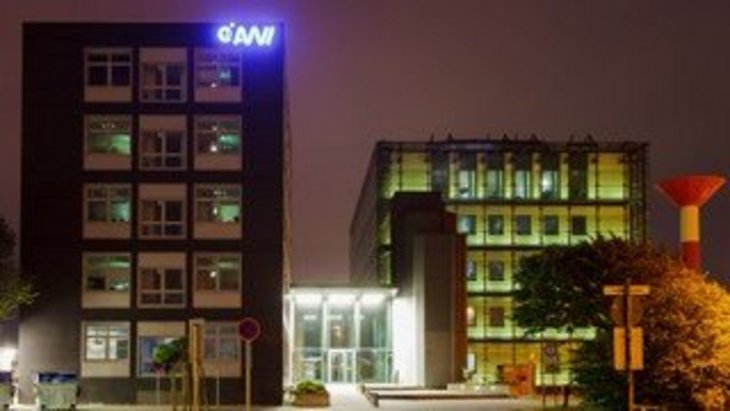
Helmholtz Centres conduct research on behalf of the state and society. Consequently, knowledge transfer plays a very important role within Helmholtz institutions. The Alfred Wegener Institute, for example, offers a wide range of services in knowledge and technology transfer. The aim is to ensure that knowledge can be used to address challenges such as climate change and biodiversity loss, at both global and regional levels. This is intended to facilitate innovation and promote informed decision-making in politics and business.
The Antarctic Office, based at the Alfred Wegener Institute, is an important link between science, policymakers, public authorities and the wider public on issues relating to the Antarctic region, including its research, protection and sustainable use. Among other responsibilities, the Antarctic Office takes part in international meetings as a member of the German delegation and advises various German ministries and government agencies.

To the Antarctic Office

The German Arctic Office at the Alfred Wegener Institute serves as an information and cooperation platform for German Arctic stakeholders from science, politics and industry. Through policy advice, events and publications, it provides scientific support on Arctic issues and presents findings from Arctic research in a range of accessible formats.

The German Arctic Office

Nowhere on Earth is the climate changing as rapidly as in the polar regions. For this reason, the Climate Office at the Alfred Wegener Institute aims to make the findings of polar research accessible and useful for decision-making in politics, business and society. Its work focuses particularly on formats that promote co-production and participation in research, including online platforms and series of workshops.

 The Climate Office

The AWI North Sea Office has extensive expertise on the North Sea ecosystem, which it shares with stakeholders such as policymakers, public authorities and environmental organisations. Whether the issue is invasive species, waste and microplastics, management measures or monitoring, the North Sea Office supports these groups through activities including data documentation, scientific advice and the development of specialised tools.

The AWI North Sea Office

Technology transfer encompasses all activities relating to the identification and commercialisation of inventions and innovative ideas originating from the AWI, as well as the implementation of industrial contracts and business partnerships in response to external enquiries.

The Technology Transfer at AWI

The Transfer Office for Marine Biodiversity Change aims to support evidence-based decision-making at regional, national and global level by strengthening dialogue between science and policymakers. To achieve this, the office provides expertise on issues such as environmental change and ecosystem functions linked to marine biodiversity, while also contributing to a range of transfer projects and publications, including fact sheets and policy briefs. The Transfer Office for Marine Biodiversity Change is based at the Helmholtz Institute for Functional Marine Biodiversity, a joint institution of the Alfred Wegener Institute and University of Oldenburg.

The Transfer Office for Marine Biodiversity Change

ESRAH - Earth and Society Research Hub, University Hamburg

At the ESRAH research centre, Earth system sciences and social sciences work closely together. Researchers investigate how human activity is transforming the Earth system, and how change can be shaped, resilience strengthened and resources used sustainably. The transfer of research findings into politics and the wider public sphere takes place through ESRAH’s communications department as well as through the transfer agency of the University of Hamburg.

ESRAH is part of the University of Hamburg’s Knowledge Transfer Agency. However, the research centre also has its own communications department, which manages initiatives specifically from ESRAH.

To the knowledge transfer initiatives

The transfer agency is the central hub for knowledge transfer at the University of Hamburg. It provides guidance and support in the fields of innovation and entrepreneurship, career development and qualifications, as well as co-creation and engagement, with the aim of shaping sustainable futures together with civil society, business, education, politics and culture. This includes practical advisory services, events and newsletters.

In particular, the Co-Creation & Engagement division serves as an interface between the university and wider society. The team is committed to building networks and creating spaces for meaningful exchange and collaboration.

To the Transfer Agency

Fraunhofer Society

The Fraunhofer Society is one of the world’s leading organisations for applied research. It plays a key role in the innovation process through its focus on future-oriented key technologies and the transfer of research findings into industry and policymaking. Advising stakeholders in politics and business is a central part of its work.
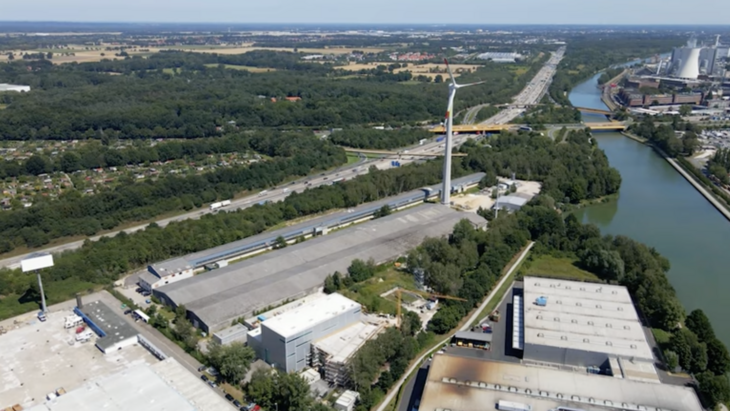
Research and innovation are increasingly called upon to help address societal challenges. The staff in the Policy and Society Department examine the implications this has for research and innovation systems, as well as for the design of policies committed to sustainability and social well-being. They advise and support clients from politics, policy-related organisations and academia, and assist in the development of strategies for research, innovation and societal change. Marine issues frequently play a key role in this context.

About the department policy and society

Bringing technological innovations to the economy and society – this is the mission of the Fraunhofer-Gesellschaft. A well-functioning exchange between experts at the interface between science and industry is crucial in order to transfer research knowledge quickly and effectively into new products and services. This can be done through direct research cooperation, through targeted training and further education measures or through promising technology spin-offs. You can find an overview of the offers on the website.

About the offers for economy and society

The science policy department is the central political interface of the Fraunhofer Society. It acts as a bridge between research and policymaking, bringing science-based recommendations into political decision-making processes. This takes place through a range of political forums in the Bundestag, ministries and political parties, as well as through position papers published by the Fraunhofer Society.

About the science policy department

FZK - Coastal Research Centre

As a joint institution of Leibniz University Hannover and the Technical University of Braunschweig, the Coastal Research Centre (FSK) conducts research in the fields of coastal engineering and maritime technologies. In the area of knowledge transfer, the FSK collaborates with both universities. The research centre organises events itself and, in partnership with its partner institutes, offers models in the fields of hydraulic engineering, coastal protection, offshore technology, geotechnical engineering and soil mechanics.
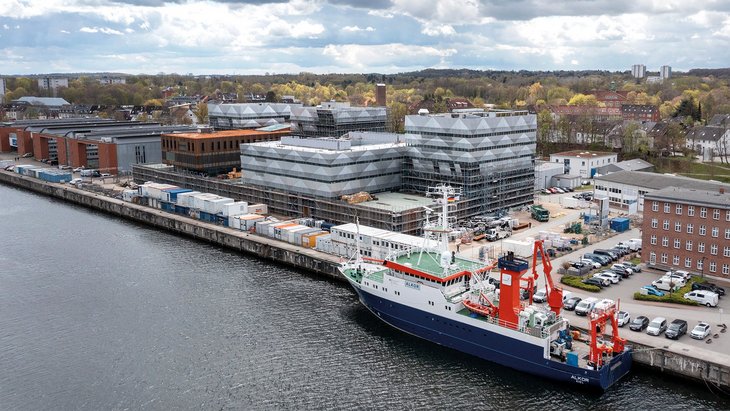
The FSK publishes news from the research centre and details of upcoming events on its website.

FSK News and Events

Innovations bring new ideas and technologies into the world and play a key role in tackling the major challenges of our time. The transfer strategy of TU Braunschweig focuses on transfer and innovation ecosystems to generate an impact on civil society. The aim is to make a sustainable contribution to the further development of the economy and civil society. The Transfer Service offers professional services with the aim of bringing diverse groups of stakeholders together in a spirit of cooperation and promoting vibrant ecosystems.

About the Transfer Service

Leibniz University Hannover offers support to the business sector for new developments and the design of innovative processes. This enables companies to draw on the university’s expertise to address their specific challenges. At the same time, through these partnerships and a wide range of services, Leibniz University fosters links between students, academia and the professional world.

Transfer to the business sector

At Leibniz University Hannover, researchers are developing solutions to the big challenges facing society. Citizens are regularly invited to learn about the research, take part in discussions and conduct research themselves. The Leibniz Science Communication LAB is a central interface in this respect: it is where Communications and Marketing brings together its science communication formats – from workshops and lectures to interactive events. Researchers from the FZK also take part on a regular basis. 

About the LAB

GEOMAR Helmholtz Centre for Ocean Research

GEOMAR conducts research into the global ocean, from the seabed to the atmosphere, in order to understand the ocean system and facilitate the development of sustainable solutions to pressing societal problems. As a Helmholtz Centre, it conducts research on behalf of the state and society and attaches great importance to knowledge transfer. To this end, GEOMAR researchers engage in dialogue with a wide range of stakeholder groups to contribute knowledge for societal development and decision-making. Activities include providing scientific advice to policymakers and industry, compiling knowledge, conducting participatory research and facilitating technology transfer.
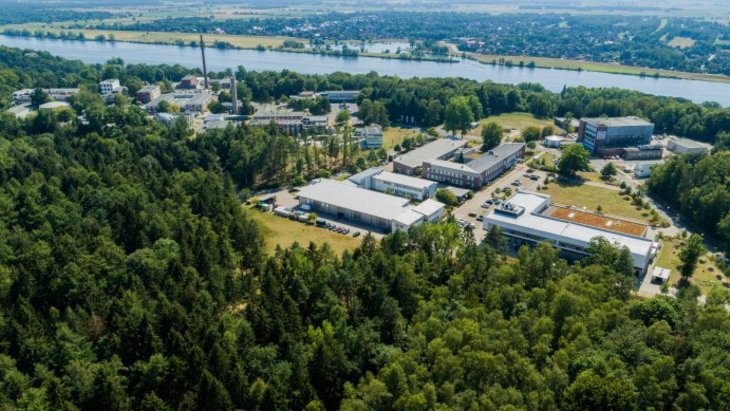
Geomar offers a variety of technology fields in which cooperation with companies can be mutually beneficial. Our expertise spans various areas of marine research and environmental technologies that are suitable for innovative partnerships and projects. Some of the technology fields in which Geomar and companies can benefit together include: 

  • Marine robotics and sensors
  • Marine biotechnology
  • Climate research and modeling
  • Environmental monitoring and management

GEOMAR Website “Technology fields”

GEOMAR offers companies the opportunity to benefit from excellent research and innovative solutions. Thanks to its leading position in the fields of marine research and environmental protection, it is able to develop customized projects tailored to individual needs.

GEOMAR Website “Innovations for the economy”

The knowledge transfer activities and formats at GEOMAR include 

  • Scientific advice, especially for policymakers: participation in consultations, hearings, negotiations, high-level meetings and dialogue events, membership in advisory bodies
  • Knowledge collections: Fact sheets, policy briefs, position papers and policy-relevant studies and assessment reports
  • Information services: online and interactive data or knowledge platforms, models and digital twins
  • Participatory research and co-creative solution design
  • Citizen science
  • School programmes

GEOMAR Website “Knowledge transfer”

Helmholtz Centre HEREON

At Hereon, knowledge is generated and new technologies are researched – for the benefit of the climate, the coast and people. The aim is to help shape a sustainable future. As a Helmholtz Centre, knowledge transfer plays a key role at Hereon. Through technology transfer and external communication, staff support institutions in politics, business and society with their expertise. Hereon also offers climate consultancy through GERICS and the North German Coastal and Climate Office.
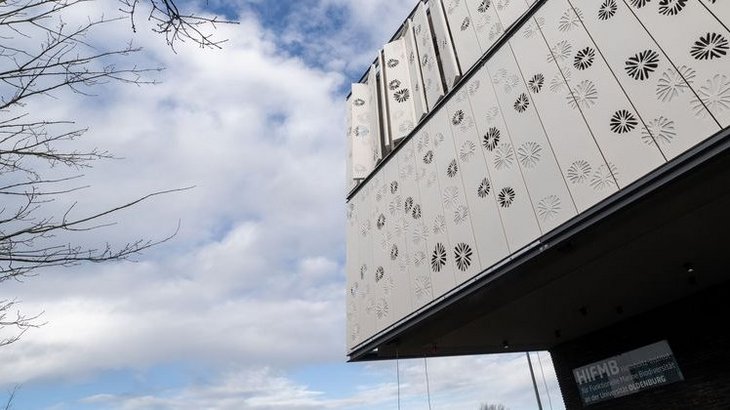
In the face of climate change, a wide range of stakeholders are confronted with questions relating to climate adaptation, urban development and planning processes. As an institute within Helmholtz-Zentrum Hereon, GERICS develops scientifically grounded prototype climate service products and services, as well as regional climate models, to support policymakers, businesses and wider society. Its current activities focus particularly on water, energy, ecosystems and urban environments.

Homepage Climate Service Center Germany (GERICS)

With its expertise in coastal and climate research, Hereon serves as a key point of contact for decision-makers on issues such as sea-level rise, storm surges and coastal protection. By presenting scientific information in summaries and presentations, as well as through individual consultations and the provision of online monitoring tools, it facilitates the translation of research into practical applications.

Website of the North German Coastal and Climate Office

In line with the motto “Science creates benefits”, the researchers at the Hereon gather scientific expertise in order to find answers and develop solutions for future challenges within the material, climate and coastal research. Transferring these solutions and technologies to both societal and economic sectors is amongst the core aims of the Hereon.

The team "Innovations and Transfer" thereby assists in all technological transfer activities and contributes in making the innovation process more attractive. From research to application the team helps by protecting and validating the innovative technologies developed by Hereon while also serving as a contact for all commercial inquiries regarding collaborative projects, contract research and use of patented technologies.

Hereon Website Technology Transfer

HIFMB - Helmholtz Institute for Functional Marine Biodiversity at the University of Oldenburg

The HIFMB is an institutional cooperation between the Alfred Wegener Institute in Bremerhaven Helmholtz Centre for Polar and Marine Research (AWI), and the Carl von Ossietzky University in Oldenburg. It researches marine biodiversity and its importance for the function of marine ecosystems. Knowledge transfer is understood as a dynamic process of exchanging, communicating and sharing knowledge, experience and ideas between the scientific community, policymakers, nature conservation authorities and society. The aim is to translate scientific findings into concrete decisions and actions that support the protection and sustainable use of marine biodiversity.
The Helmholtz Institute for Functional Marine Biodiversity (HIFMB) runs art-science collaborations that foster dialogue between research, creative practice and society, and open up new ways of experiencing marine ecosystems and biodiversity research. These projects create interactive formats and new perspectives for all those involved.

Go to the Art Science Collaborations

Established in early 2023, the Transfer Office for Marine Biodiversity Change at the Helmholtz Institute for Functional Marine Biodiversity acts as an interface between science, politics, nature conservation management and society. It promotes dialogue on issues relating to marine biodiversity change, supports evidence-based policy advice at national and international level, and develops formats for exchange between different stakeholder groups to enable informed decisions and sustainable solutions for the use of the seas and coasts. It also develops and supports processes for assessing marine biodiversity, for example through its involvement in indicators and assessments.

Website of the Transfer Office for Marine Biodiversity Change

ICBM - Institute of Marine Chemistry and Biology, University of Oldenburg

The Institute of Marine Chemistry and Biology at the University of Oldenburg is an interdisciplinary research institute that addresses fundamental and applied issues in marine and environmental research. Knowledge transfer is evident at the University wherever the findings and results of scientific work are communicated to diverse target groups, particularly those outside the scientific community. Knowledge transfer is understood as mutually reinforcing and enriching interactions with numerous stakeholders from industry and society.
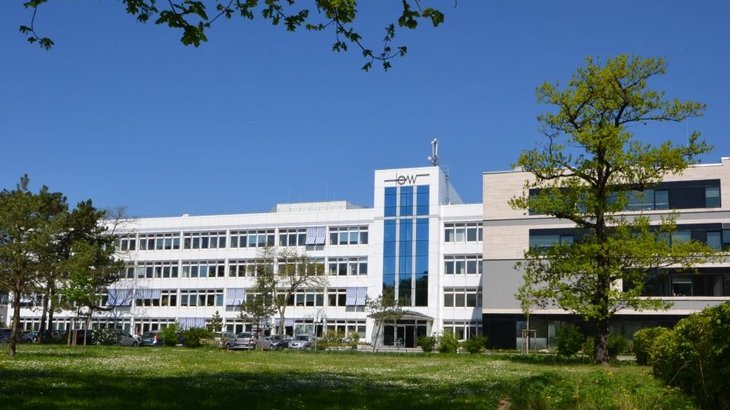
One of the central tasks of the Institute for Chemistry and Biology of the Marine Environment is engaging with the wider public on current research findings and socially relevant issues in marine science. An overview can be found here:

Look and Sea

The University of Oldenburg supports collaboration between the university and industry in the field of knowledge and technology transfer. The university offers companies access to research findings, puts them in touch with departments, researchers and their expertise, and provides information on funding opportunities for collaborative projects. Researchers are supported in turning their findings into products by being put in touch with companies and receiving advice on intellectual property rights and research and funding programmes.

Technology transfer

IOW - Leibniz Institute for Baltic Sea Research, Warnemünde

The Leibniz Institute for Baltic Sea Research Warnemünde is a non-university research institute covering all core disciplines of marine science. Its research programme focuses on coastal and marginal seas, with particular attention to the Baltic Sea ecosystem. Alongside its scientific work, the institute pursues a dedicated transfer strategy aimed at bringing the findings developed at the IOW into wider society. Its activities are directed especially towards public authorities and agencies, schools, and companies working in marine research technologies.
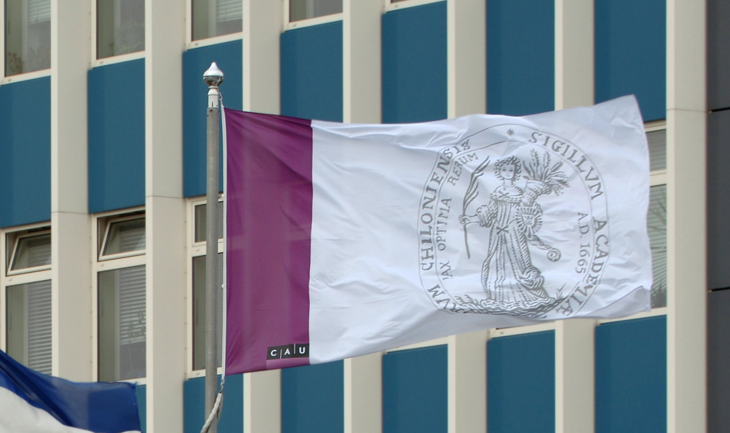
The main goal of IOW´s technology transfer is the implementation of research results in the form of products or processes and to provide a broader user group with new results, technologies and methods.

IOW Technology transfer

Knowledge transfer takes place at the IOW in a variety of formats. Examples include events such as the Warnemünde Evenings, fact sheets on the unique characteristics and challenges of the Baltic Sea, exhibitions such as the Baltic Sea Research Villa, and opportunities to take part in citizen science projects.

IOW Knowledge transfer 

KMS - Kiel Marine Science, Christian Albrechts University

The Kiel Marine Science research cluster serves as the organisational unit for all researchers in the natural, humanities and social sciences who focus on the oceans, coasts and their impact on humanity. The staff transfers knowledge to society in order to support evidence-based policy options for the effective protection and sustainable use of the oceans. Activities include the transfer of findings – for example from climate and coastal research – to various stakeholders in politics, business and civil society, as well as transdisciplinary research projects.
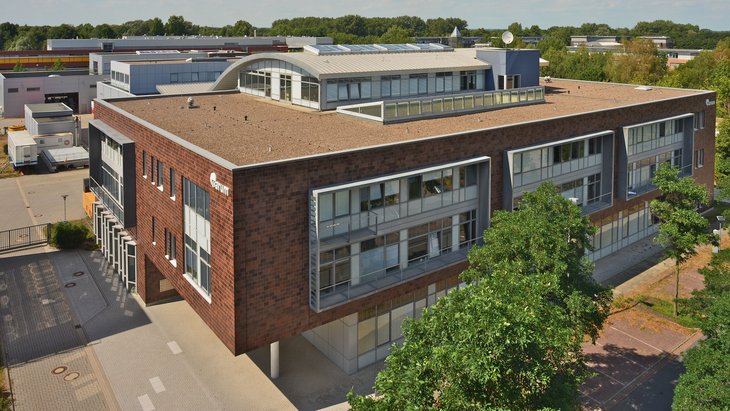
 

The projects run by the Centre for Ocean and Society within the Kiel Marine Sciences research cluster involve a range of stakeholders in the development of research questions. Through transdisciplinary collaboration between researchers, politicians, businesspeople and members of civil society, the aim is to develop solutions to the climate and ocean crises. Key areas of focus include the economics of marine and coastal resources, natural hazards affecting coasts and oceans, and ensuring food security from the ocean.

Center for Ocean and Society

Kiel Marine Science (KMS) collaborates closely with various institutions at Kiel University (CAU), including the Research and Technology Centre West (FTZ). The FTZ conducts interdisciplinary, integrated coastal research, focusing primarily on shallow seas and estuaries. A key focus is addressing applied, problem-oriented issues in the North Sea coastal region and translating findings into coastal management strategies and action plans. These form the basis for many future environmental, structural, and socio-economic decisions at regional, national, and international levels.

Research and Technology Centre West

Ideas and inventions developed at Kiel University contribute to technological and social progress. The Technology Transfer team receives enquiries from industry and matches them with the university’s existing research expertise. The team also actively seeks out industry partners for scientific developments with market potential. In addition, the team provides advice on patenting and licensing.

To the Technology transfer

Scientists in the Kiel Marine Science research focus area are committed to an active transfer of knowledge with society, with the goal of supporting knowledge-based options for effective protection and use of the seas. In particular, these activities include communicating research results to various interest groups in politics, business or civil society. Additionally, KMS members participate in public events and hold lectures as part of an active approach to public outreach and promotion of the research focus area.

Go to the knowledge transfer 

MARUM - Centre for Marine Environmental Sciences at the University of Bremen

MARUM generates fundamental scientific insights into the role of the ocean and the seabed within the Earth system as a whole. The institute is committed to conducting open-ended basic research with a sense of responsibility towards society and for the benefit of the marine environment. MARUM informs the public about new findings concerning the marine environment, and through dialogue with society it provides the practical knowledge needed for action.
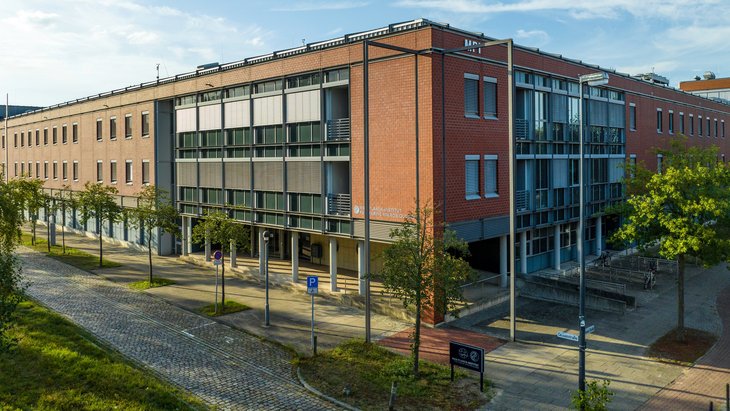
The Transfer & Science Communication team at MARUM forms the interface between society and science on topics such as the deep sea and the ocean floor. Its aim is to make research findings accessible to various stakeholders and to foster dialogue – for example, with the general public, policymakers, the education sector and the business community. The team’s services include arranging for experts to speak at events and providing access to photographic and video material. 

Go to the Website

MARUM offers a variety of formats to respond quickly to the information needs of policymakers. MARUM identifies future pathways in relevant areas and supports policymakers in making well-considered, evidence-based decisions.

About MARUM policy advice

The Cluster of Excellence ›The Ocean Floor – Earth’s Uncharted Interface‹ has implemented a multifaceted approach for the exchange with the general public and stakeholders. This approach involves all three domains of knowledge transfer: information, dialogue, and participation. Particular attention is given to translating complex scientific information into generally understandable core messages, adjusted to the target-groups.

The knowledge transfer within the Cluster of Excellence

The University of Bremen aims to shape public debate, cultural life and economic development. This can only be achieved through collaboration with partners, resulting in the transfer of research-based knowledge. The university supports researchers and their partners in collaborative activities, such as those relating to start-ups, patents, fundraising and staff transfers. MARUM's collaborations with companies and industry partners are conducted in line with its objective of protecting the marine environment.

Website Transfer and Cooperation

MPI-MM - Max Planck Institute for Marine Mikrobiology

The MPI-MM is a research institute that provides fundamental knowledge about microorganisms in the ocean and other bodies of water. Its research focuses on the smallest oceanic organisms and their role in global material cycles, particularly those involving carbon and nitrogen. When it comes to sharing its knowledge with the general public, the institute prioritises education and school outreach, as well as public events.
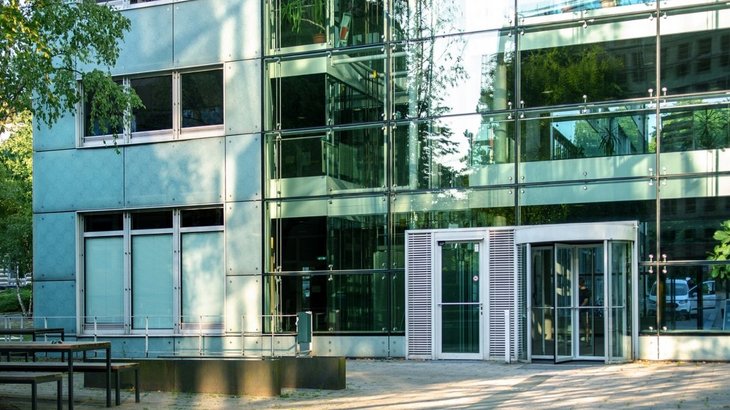
Technology transfer at the MPI-MM is also carried out within the Max Planck Society through Max Planck Innovation GmbH. Under the motto “Connecting Science and Business”, Max Planck Innovation sees itself as a partner both for researchers and for companies. It provides forward-looking businesses with a central point of access to the patented innovations developed across the Max Planck Society’s research institutes throughout Germany.

Technology transfer of the Max Planck Society

The MPI-MM offers various formats for knowledge transfer, such as events, videos and comics. An overview can be found on the institute’s website.

MPI-MM transfer offers

MPI-M - Max Planck Institute for Meteorology

The MPI-M's research aims to improve our understanding of the Earth’s changing climate. The focus is on the processes that shape and alter it. The Institute's work includes developing and analysing highly complex Earth system models, among other things. Knowledge is transferred in a variety of ways: for instance, the MPI-M collaborates with partners such as the University of Hamburg, and participates in public events, symposia, and exhibitions.
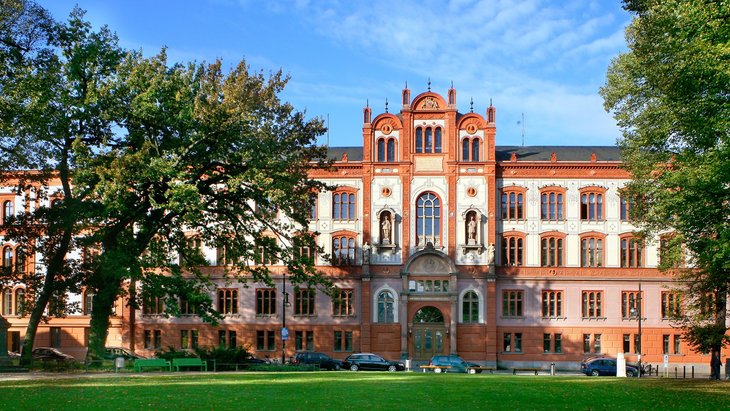
Technology transfer at the MPI-MM is carried out through Max Planck Innovation GmbH, which operates within the Max Planck Society. Guided by the motto “Connecting Science and Business”, Max Planck Innovation acts as a partner to both researchers and companies. It offers forward-thinking businesses a central point of access to the patented innovations developed at Max Planck's research institutes across Germany.

Technology transfer of the Max Planck Society

The MPI-M Communications Team is responsible for internal and external communications and acts as the first point of contact for the public, the press and the media. The team responds to media enquiries, prepares scientific topics for the public and puts experts in touch with the media.

New from the Institute

MTS - Department of Maritime Systems, University Rostock

The Department of Maritime Systems brings together researchers from a variety of disciplines, including marine science, environmental science, social science, economics and engineering, to focus on coastal and oceanic issues. The department facilitates innovative, interdisciplinary research amongst its own members and in collaboration with external partners in the marine and maritime sectors. Key areas of knowledge transfer focus on technology and industry engagement.

Technology and knowledge transfer at the University of Rostock is managed by Universität Rostock Service GmbH. The organisation sees itself as an intermediary between academia and industry, supporting the initiation and coordination of collaborative projects and partnerships, as well as the transfer of expertise and technologies into the business sector. It also assists staff throughout all stages of patenting and commercialisation processes.

Website “Technology and knowledge transfer”

Partnerships between the University of Rostock and companies are an important instrument for knowledge exchange and the effective transformation of scientific findings into commercial products. At the interface between academia and industry, the university offers a range of services designed to support and guide transfer activities in all their diverse forms.

Website “Science and Economy”

SAM - Senckenberg am Meer, Senckenberg Gesellschaft für Naturforschung (Leibniz Institution for Biodiversity and Earth System Research)

The SAM investigates the impacts and risks of current environmental changes on marine ecosystems, their habitats and changes in biodiversity, using a wide range of methods. To ensure that the findings not only advance scientific knowledge but also benefit society, researchers at the Senckenberg Society advise, for example, government agencies and local authorities, as well as many other national and international organisations.
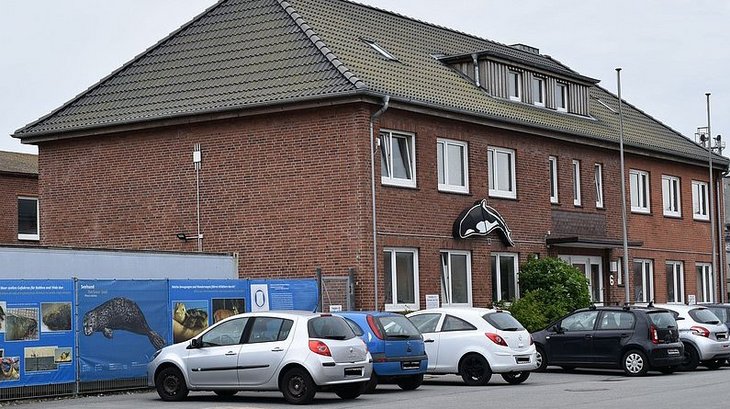
The transfer office supports researchers at the SAM in knowledge and technology transfer, as well as in the application and commercialisation of research findings. In the field of marine science, it also offers a comprehensive overview of the topic “Treasure on the Deep-Sea Floor: Manganese Nodules at the Centre of Science and Industry”.

Website of the transfer office

TiHo - Institute of Terrestrial and Aquatic Wildlife Research (ITAW), University of Veterinary Medicine Hannover

Researchers at the University of Veterinary Medicine are working to improve animal and human health within their environment. Their aim is to help tackle global challenges such as zoonotic diseases, climate change, and the biodiversity crisis. Through transfer activities, knowledge and innovation are shared between academia, society, business and policymakers. This takes place through initiatives including advisory services for decision-makers and a range of public events.
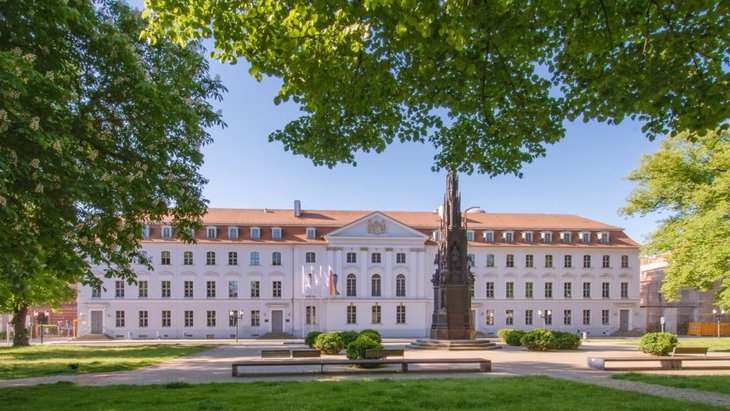
Together with Hanover University of Applied Sciences and Arts, the University of Veterinary Medicine Hannover is planning to establish a start-up centre over the medium term. The project, known as “ZEBRA”, is funded by the Lower Saxony Ministry for Science and Culture. Through the initiative, the two institutions are strengthening their collaboration in the fields of entrepreneurship, transfer and innovation.

Project ZEBRA

University of Greifswald

The University of Greifswald makes its environmental and climate expertise accessible, usable and sustainably effective outside academic contexts. It promotes the transfer of research findings to various sectors of society. This is achieved through research and development projects with external partners, policy advice and public lecture and cultural events.
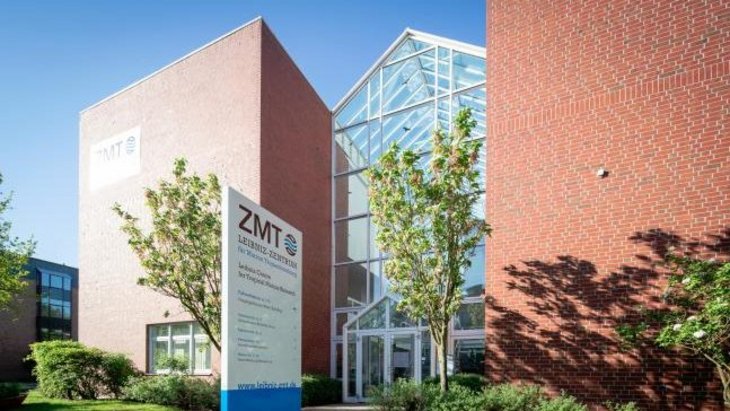
The Centre for Research Support and Transfer at the University of Greifswald is a key point of contact for the successful transfer of knowledge and technology between academia, industry, and society. This transfer can take various forms, such as setting up spin-offs, collaborating on research and development projects with external partners, and protecting intellectual property through patenting.

Go to the Website

ZMT - Leibniz Centre for Tropical Marine Research

Tropical marine coastal areas are home to some of the most species-rich habitats on Earth, providing a livelihood for many people. However, climate change, environmental pollution and the over-exploitation of natural resources are having a serious impact on these fragile ecosystems. The ZMT's work focuses on tropical coastal systems, thereby contributing to the conservation and sustainable use of these habitats. This knowledge is made available to the public through various outreach activities.

The Office for Knowledge Exchange was established in 2014 as a permanent hub at the ZMT to strengthen collaboration between researchers and societal actors in Germany and tropical partner regions. To achieve this, academic and non-academic knowledge relating to marine and coastal ecosystems is exchanged systematically and inclusively with relevant groups, while ensuring their early involvement in scientific work. In this way, the office promotes effective transdisciplinary dialogue, encourages active stakeholder participation and helps build lasting links between science, policymaking and practice.

Office for Knowledge Exchange

Tropical seas and coasts are drivers of the global economy with vast potential for innovation and growth. Sectors such as aquaculture, fishery or marine biotechnology – to name only a few – are of central importance for an economically sound as much as an environmentally- and socially sustainable development. The advisory service of the ZMT provides support in areas including strategy development, potential analysis and training within its various infrastructure units. In addition, the Office for Knowledge Exchange actively promotes cooperation with industry, supports spin-off companies and offers advice on topics such as innovation, inventions and intellectual property.

ZMT Website Technology Transfer

3. Research museums

Some museums are actively involved in research alongside their exhibition and curatorial work. The key difference between a research museum and a “traditional” museum lies mainly in what happens behind the scenes.

A research museum is also a scientific institution: researchers work there continuously on their own projects, study the collections and generate new knowledge, which then feeds directly into exhibitions, publications and educational programmes. Exhibitions are therefore not simply an end product, but can also form part of an ongoing research process.

With their public-facing exhibitions and educational opportunities, museums themselves are outstanding institutions for knowledge transfer. This is equally true of the following museums connected with marine research.

DMM - German Oceanograpic Museum, Stralsund

In 1951, a small collection moved into the former St Catherine’s Convent in Stralsund, forming the town’s natural history museum. Over time, the building developed into an internationally recognised museum of marine science and fisheries in the GDR. Following the political transition, it was converted into a foundation under civil law in 1994 and renamed the German Oceanographic Museum in 1998. The combination of scientific exhibitions and living aquariums remains the key to the museum’s success to this day.
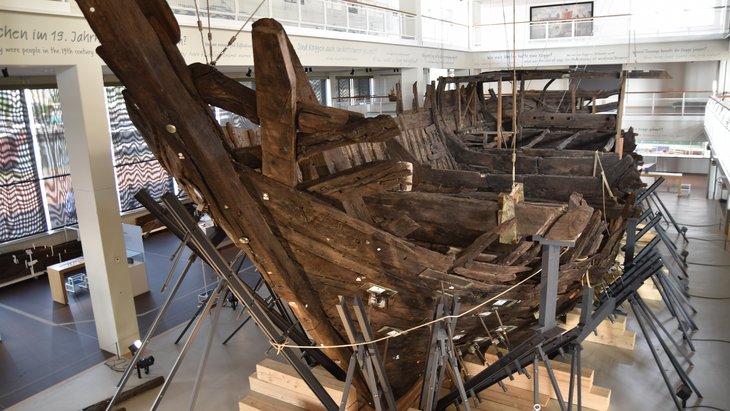
Under the heading “Kindermeer”, the DMM offers a wealth of educational resources for children and brings the ocean to life in a fun and engaging way.

Jump into the Kindermeer

In addition to the exhibitions and aquariums at the museum, there is also a range of online information about the oceans.

Go to the website

DSM - German Maritime Museum / Leibniz Institute for Maritime History

The German Maritime Museum is one of eight Leibniz Research Museums. Its staff conduct research, preserve artefacts, and exhibit and communicate German maritime history. The DSM participates in the Leibniz Research Museums Action Plan, which aims to strengthen knowledge transfer. This places an even greater focus on the DSM as a venue for innovative exhibitions, citizen science, and knowledge transfer than before.

Immerse yourself in the fascinating world of research. The DSM explores the many ways in which humans interact with the sea – through ships and programmes. There are tailored formats for families, groups of adults and groups of children.

Discover the education sector

DSM Digital's portfolio includes a wide range of digital offerings, all of which are guided by the motto 'Understanding the world from the ocean'. These include online exhibitions, virtual tours, podcasts, audio dramas, videos on maritime topics and insights into specially developed digital apps.

DSM Digital

4. Departmental research institutions

Policymaking depends on scientific advice. Responsible decisions require reliable evidence — whether on new technologies and their impacts, or on environmental, energy and climate issues. For this reason, the German federal government is directly involved in research and development through its own specialised institutions.

These so-called departmental research institutions focus on current social, technological and economic challenges in order to support and inform political decision-making. The term “departmental” refers to the fact that these institutions do not fall under the responsibility of the research ministry, but instead belong to the relevant federal ministries, such as transport, agriculture or the environment.

Departmental research institutions not only conduct research, but also carry out clearly defined responsibilities, including approval procedures, testing and the development of regulations. In this way, they act as a bridge between politics and science. The transfer of scientific knowledge is therefore one of their core tasks and is reflected across all of their activities.

Further information can be found on the websites of the respective departmental research institutions whose work covers coasts and oceans.

BAW - Federal Waterways Engineering and Research Institute

The Federal Waterways Engineering and Research Institute is a departmental research institution within the transport sector. Its work focuses on forward-looking research as well as addressing current practical challenges. This includes investigating the impacts of climate change, supporting the development of low-emission ship propulsion systems and designing nature-based riverbank protection measures. The aim is to provide clients with sound scientific guidance on infrastructure, the environment and mobility, helping to deliver future-proof solutions and prepare the shipping and waterway transport system for changing demands.

Homepage of the BAW

BGR - Federal Institute for Geosciences and Natural Resources

The Federal Institute for Geosciences and Natural Resources is a higher federal scientific and technical authority within the remit of the Federal Ministry for Economic Affairs and Energy. As the German government’s central geoscientific research and advisory institution, and as Germany’s national geological survey, the BGR carries out statutory responsibilities as well as a wide range of internationally recognised functions.
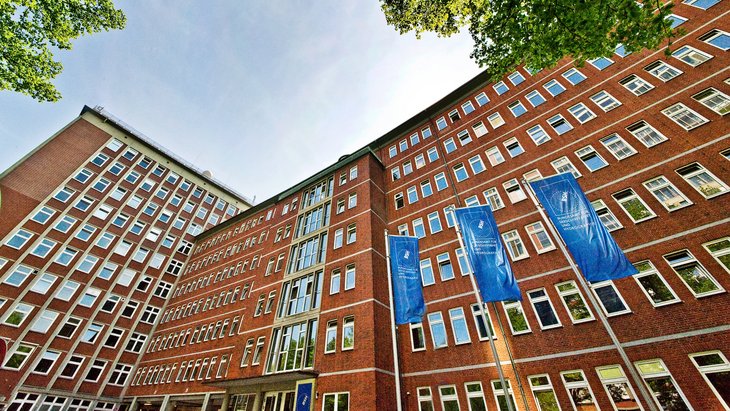
Homepage of the BGR

BSH - Federal Maritime and Hydrographic Agency

The Federal Maritime and Hydrographic Agency promotes the protection and sustainable use of the seas, particularly the North Sea and Baltic Sea. As a departmental research institution within the remit of the Federal Ministry for Transport, it also works on behalf of other ministries, including those responsible for the environment, economic affairs and research.

Through applied research, the BSH supports safer, more efficient and more sustainable shipping, as well as an environmentally responsible energy transition at sea. It monitors the condition of marine environments and provides extensive openly accessible data. Research, regulation and practical implementation are closely interconnected in its work.

Homepage Of the BSH

NLWKN - Lower Saxony State Agency for Water Management, Coastal Defence and Nature Conservation

The Lower Saxony Water Management, Coastal Defence and Nature Conservation Agency (NLWKN) is the state authority responsible for safe flood defences, clean water and the protection of biodiversity in Lower Saxony. Through its expertise in coastal management, water resources and nature conservation, as well as the thousands of measurements and analyses carried out each day, the NLWKN provides essential evidence to support decisions that will shape the future.

Homepage of the NLWKN

Thünen Institute, Federal Research Institute for Rural Areas, Forestry and Fisheries

The Thünen Institute is a federal research institution specialising in agriculture and food. In its role as a scientific advisory body for policymakers, the institute develops concepts for environmentally sustainable and economically competitive fisheries and aquaculture.

The Thünen Institute’s specialist institutes for sea fisheries, fisheries ecology and Baltic fisheries collect long-term data on the development of fish stocks, monitor key marine environmental parameters and develop innovative fishing and survey technologies, as well as integrated concepts for marine use. The institute also provides decision-makers with scientifically grounded advice, represents German interests in international commissions and committees, and helps ensure that its research findings are incorporated into guidelines, regulations and legislation.

The Fishery Institutes at Thünen

UBA - Federal Environment Agency

The UBA is Germany’s central environmental authority. Its role is to help ensure a healthy environment in which people are protected as far as possible from harmful environmental impacts. To fulfil this mission, the UBA collects data on the state of the environment, investigates environmental processes, develops forecasts for the future and uses this knowledge to advise the German government, including the Federal Ministry for the Environment. The agency is also responsible for informing the public about environmental issues and responding to public enquiries. In addition, the UBA plays a key role in putting environmental legislation into practice.
Section “Seas” At the UBA

The federal government and the governments of the five northern German states support the current development and sponsor the DAM