The future of marine research depends on attracting and nurturing young scientific talent, from curious school pupils to research-oriented postdoctoral researchers. Few other fields combine as many disciplines as marine science, including biology, physics, chemistry, computer science, engineering, geosciences and social and cultural sciences. These disciplines intertwine to help us understand the complex interactions between oceans, climate, biodiversity, ecosystems and human influences. So, how can we inspire young people to take up this challenge and maintain their interest in the long term?
In Germany, marine research institutions offer a wide range of attractive training and further education opportunities for all age groups, which are regularly expanded and updated.

Exciting opportunities already exist for schoolchildren, such as student laboratories and project days at marine science institutes, which bring science to life. Experiments with plankton samples and virtual dives into the deep sea demonstrate that marine research encompasses more than distant expeditions; it is tangible and directly relevant to the challenges we will face in the future.
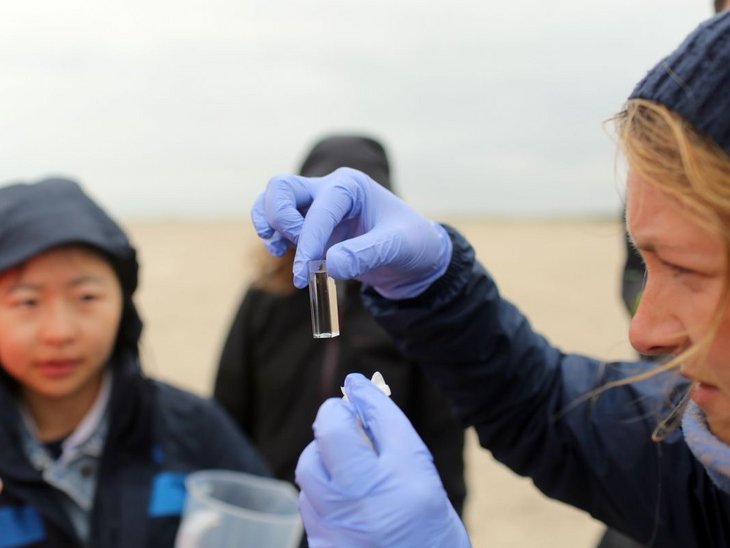
Students have access to the entire spectrum of disciplines. Many universities offer specialised degree programmes, covering subjects such as marine biology and oceanography. Practical teaching formats and collaboration with research institutions provide opportunities to engage with ongoing projects, such as those investigating the impact of climate change on ecosystems or the sustainable utilisation of marine resources.
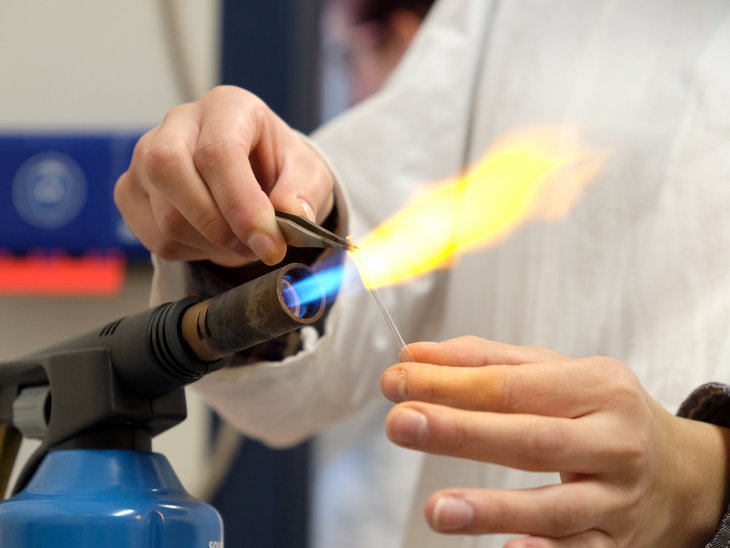
Dual training also plays an important role in marine research. Many institutes provide training for young people in technical, scientific and administrative roles, such as biology laboratory assistants, electronics technicians, mechatronics engineers and IT specialists. Working closely with vocational schools, trainees learn how science is practised: they work with measuring systems for research vessels, analyse samples in laboratories and develop software for evaluating oceanographic data. In this way, they contribute significantly to the functioning of the research operation.
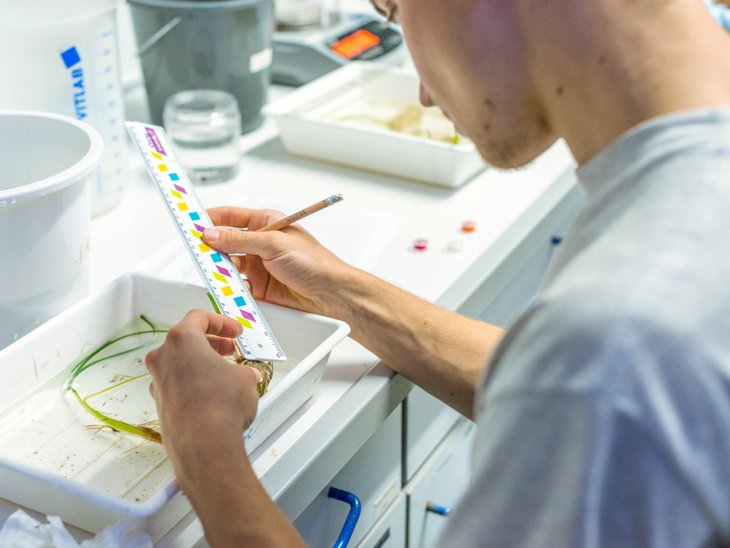
For doctoral students, marine research offers many opportunities and challenges. In graduate schools and structured doctoral programmes, they work on their own projects, develop new methods, and make direct contributions to scientific progress through their findings. Many of them are part of international teams and spend weeks at a time at the ocean or in remote research stations. Supporting them in successfully making the transition from training to independent research are career development programmes, mentoring opportunities and interdisciplinary courses.
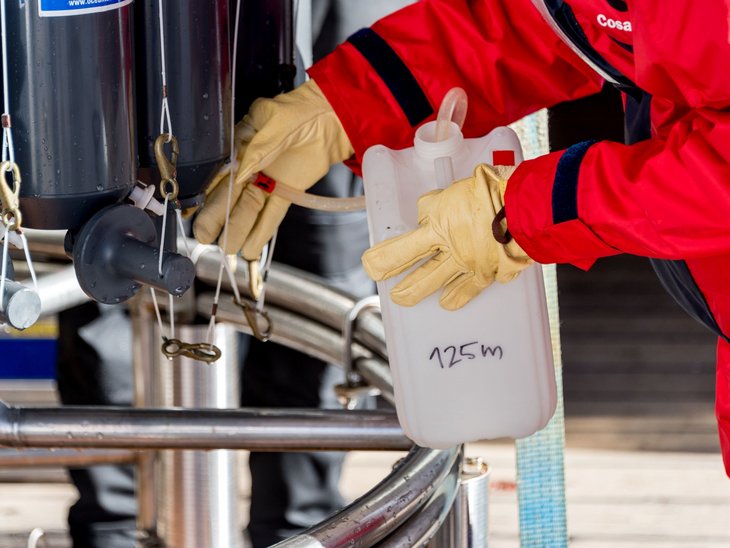
Postdoctoral researchers already lead sub-projects, supervise students and doctoral candidates, and contribute their expertise to everyday scientific life. This phase increasingly involves building a profile, establishing their own research groups, and engaging in international cooperation. Funding programmes, scholarships and fellowships offer targeted support for these activities. Postdocs are key drivers of marine research thanks to their experience and innovative strength: they bring fresh ideas, new perspectives and international networks to the institutes.